In this article:
- The Top 5 Highlights in Pokhara
- Lakeside: The Heart of Pokhara
- Temples & Spiritual Sites
- Nature & Unique Places
- Activities
- Museums
- Day Trips Around Pokhara
- Where to Stay in Pokhara
- Getting There & Getting Around Pokhara
- Culinary Highlights: Where to Eat in Pokhara
- Useful Shops in Lakeside
- Money, Banks & Paying in Pokhara
- Best Time to Visit Pokhara
- FAQ & Additional Tips
- Final Thoughts
Pokhara has many names – city of lakes, the jewel of the Annapurnas, Nepal’s trekking capital. But there’s one thing pretty much everyone can agree on: it’s by far the country’s most popular place to unwind and relax for a few days – and that’s not just for international travelers. Nepalis themselves love their beautiful lakeside city just as much.
There are three simple reasons why:
- 🌿 More nature: Pokhara is noticeably greener and far closer to nature than Kathmandu.
- 🚗 Less chaos: Traffic is still there but it´s not nearly as insane as the capital – getting around feels much more relaxed.
- 🏨 Solid infrastructure: Tourism is well developed, with plenty of accommodation, restaurants, and services to choose from.
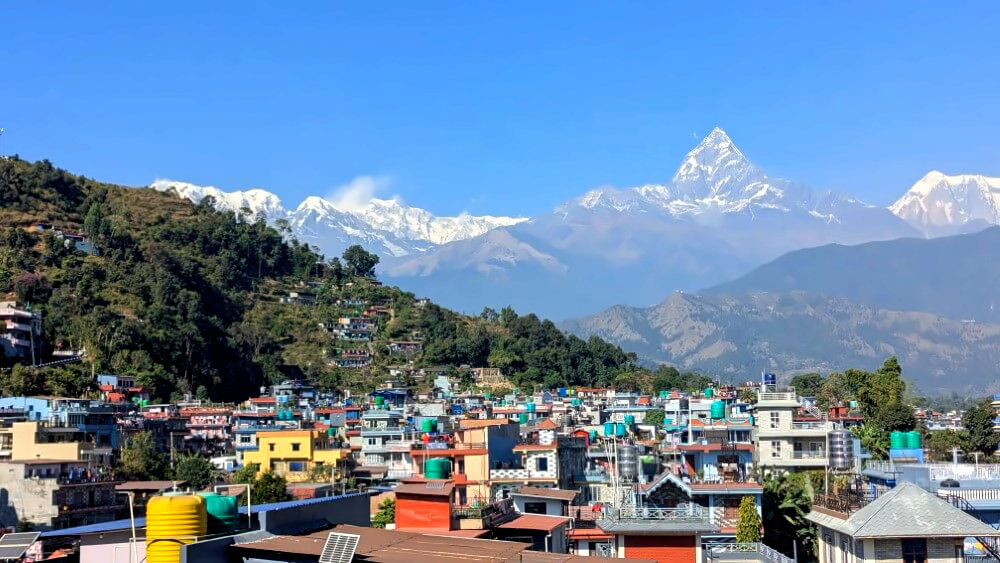
Pokhara may be a bit touristy, there’s no denying that. But it still feels right – easygoing, friendly, not too polished. It`s still a bit rough around the edges, which in my book only adds to the appeal. Add to that one of the most spectacular mountain vistas on the planet and the fact that it´s all remarkably affordable, at least for Western travelers.
In short: There’s a lot to like in Pokhara.
At a glance
Highlights
Hidden gems
During my last trip in Nepal I spent more than two months in and around Pokhara and I thoroughly enjoyed every minute of it. Each time I returned from one of my many treks in the Annapurna region, a big smile came over my face – the city just has that kind of vibe. So it was quite natural that I ended up spending plenty of time exploring the surrounding area as well.
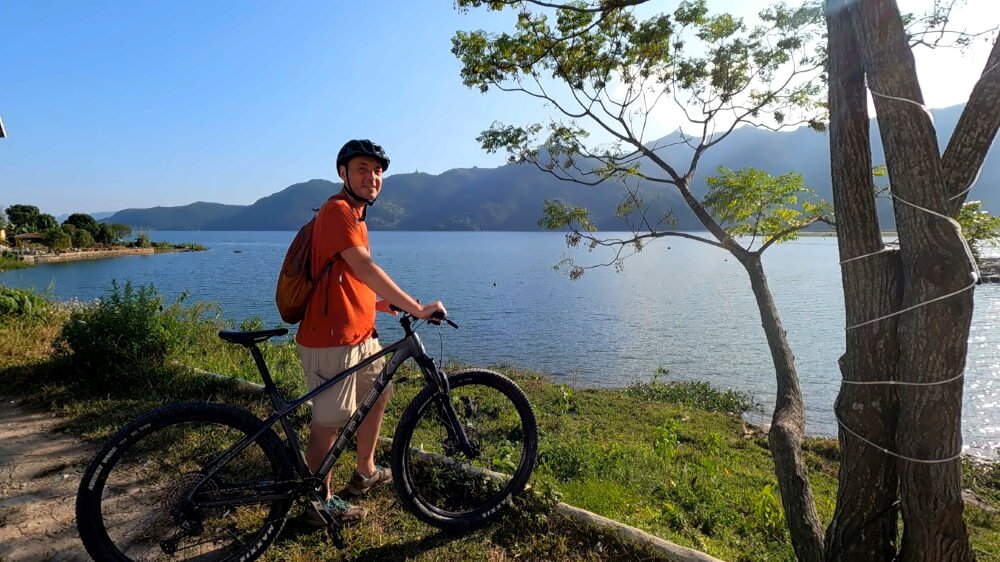
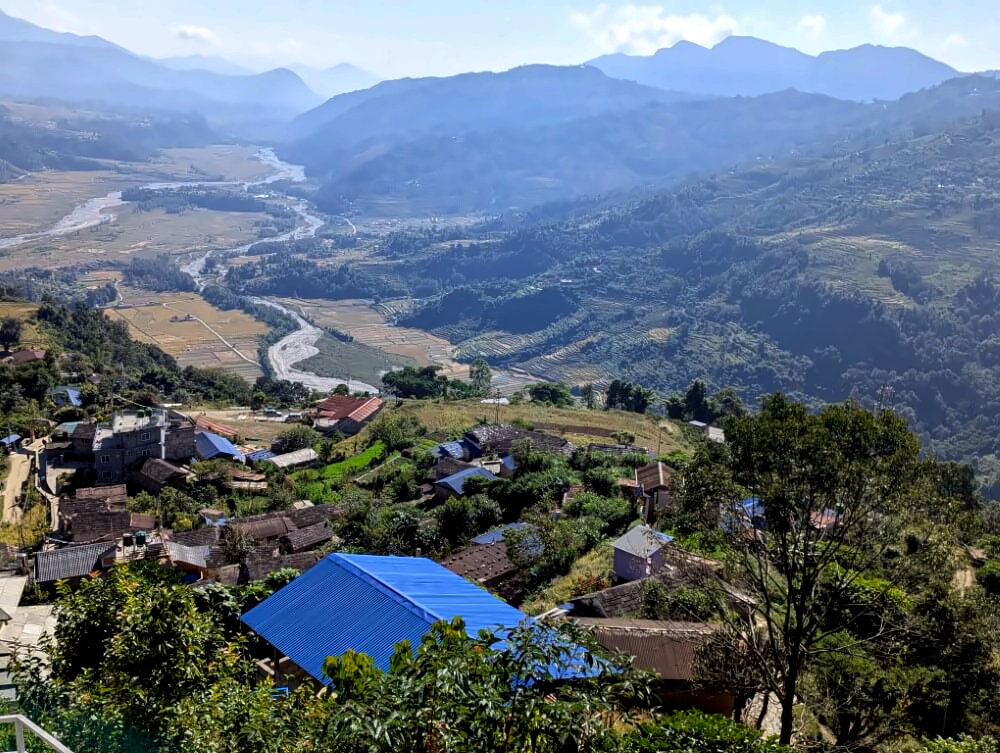

I occupied my days with trips into the surrounding foothills, hikes, mountain biking, paragliding, canoeing – there’s really nothing you can’t do in Pokhara. Since I spent quite a bit of time in the area, I ended up discovering plenty of places that see far fewer visitors. Often, these were the ones that turned out to be the most rewarding.
TL;DR: If you’ve got a couple of extra days before or after your trek, definitely stay in Pokhara – you won’t regret it.
Let’s take a closer look at everything there is to experience – on the map below, you’ll find all 25 highlights at a glance.
The Top 5 Highlights in Pokhara
Short on time? These are the five experiences you really shouldn’t miss. With a bit of planning – and an early start – you can even fit them into one or two days.
1. Best Mountain Views: Sunrise at Sarangkot
Perched at 1,530 meters, Sarangkot is the highest of the foothills in the immediate vicinity of Pokhara and the best place in town to catch the sunrise. From the viewpoint you get a sweeping panorama across the entire Annapurna range, with the first light hitting the peaks at just the right angle. That moment when the early morning sun turns the snow-capped summits into glowing gold is simply unforgettable.
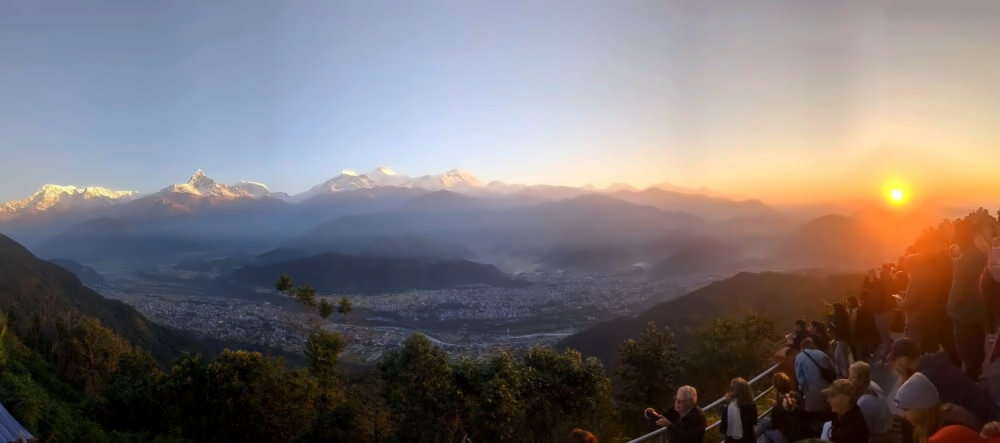
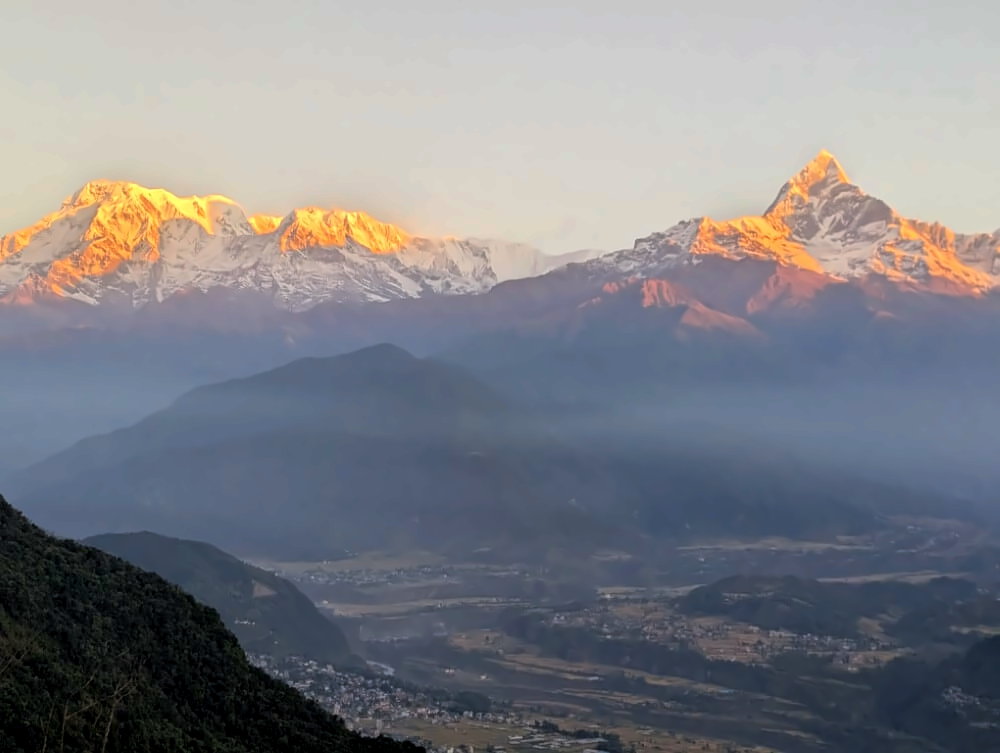
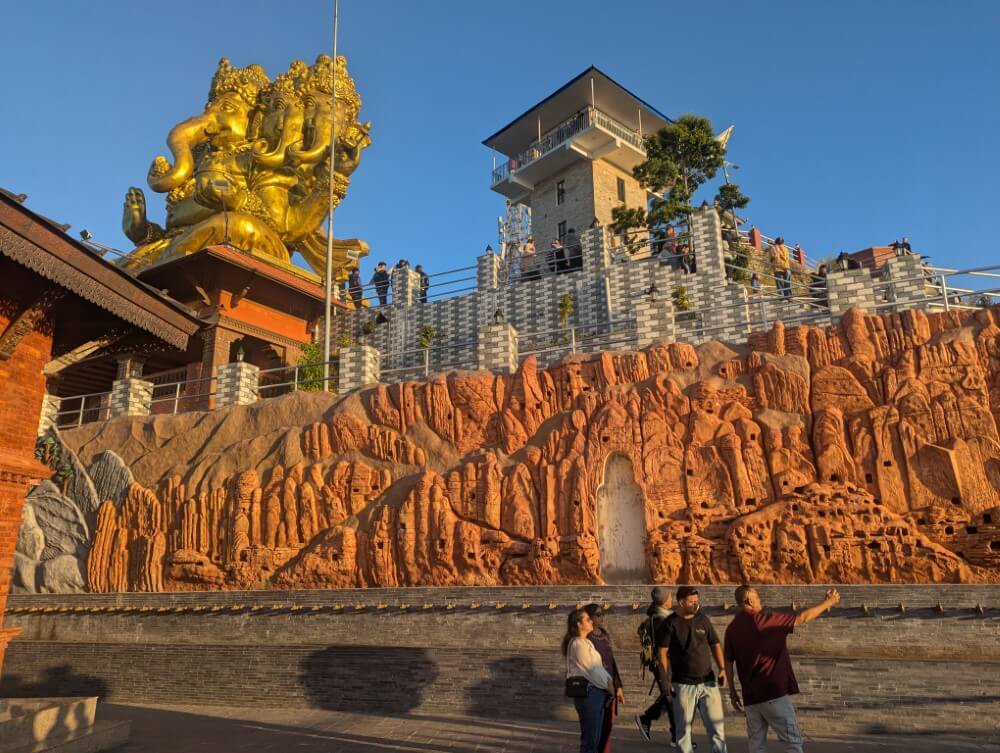
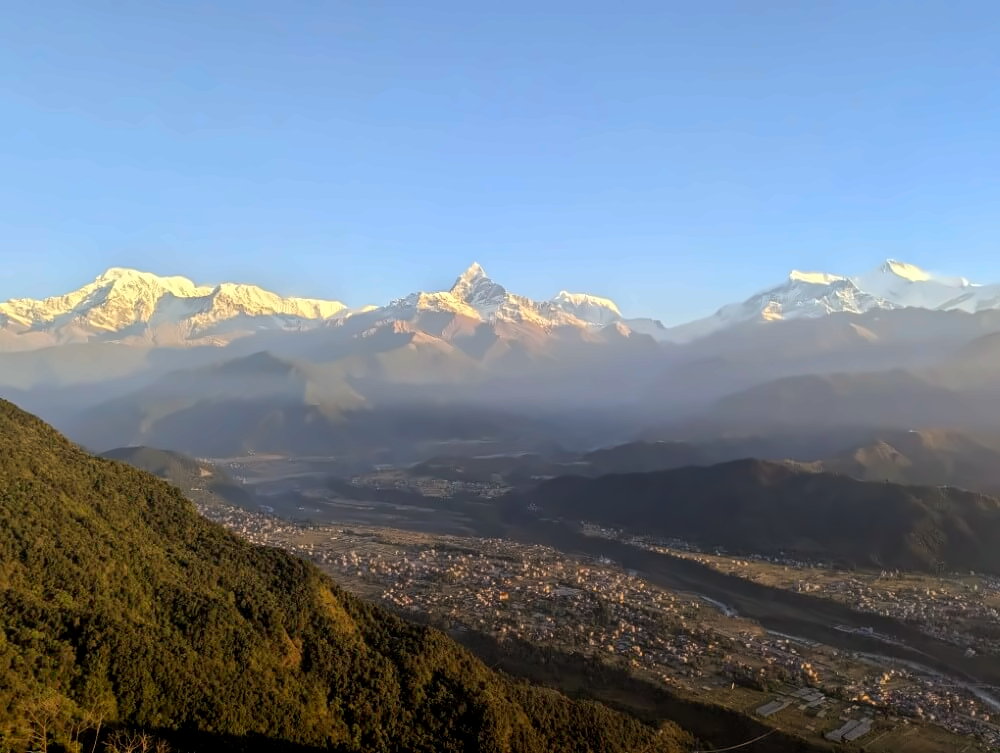
The fastest way to reach the top is via the Annapurna Cable Car, which starts just above Lakeside. The ride takes around 10 minutes with the first departure roughly 45 minutes before sunrise – so you’ll have plenty of time to catch the show. Alternatively, you can take a taxi or hike up to Sarangkot though the trail is steep and mostly through forest, with limited views. Personally, I found the cable car the better option. Around the viewpoint you’ll also find a handful of restaurants.
2. Best Adventure Sports: Paragliding in Pokhara
Paragliding is one of the most popular things to do in Pokhara – and for good reason. The city is widely considered one of the best places in the world to fly. While you’re up in the air, you’ll have mountains, lakes, and the city all spread out beneath you, set against the dramatic backdrop of the Himalayas. It’s a killer combo that you won`t find in too many places elsewhere.
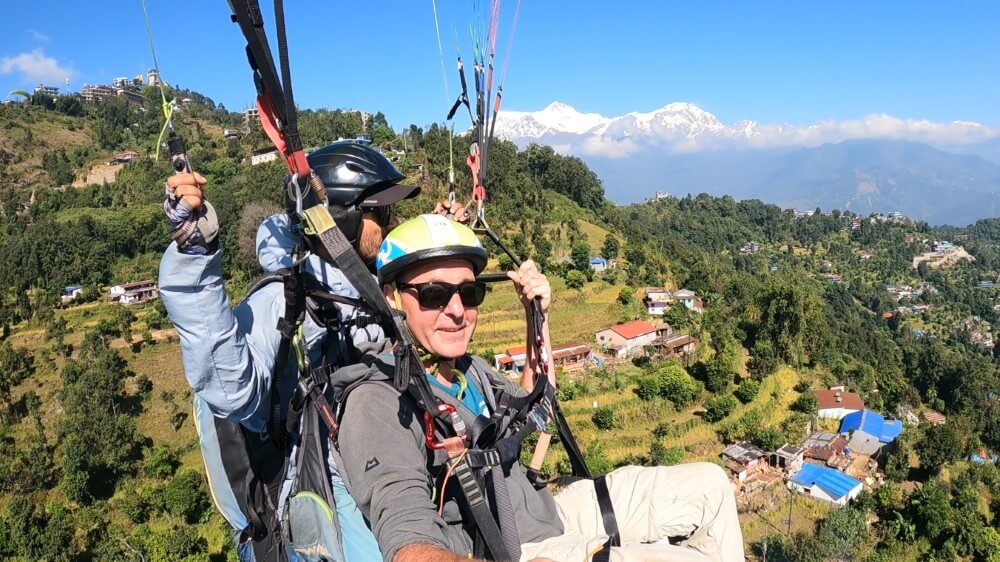
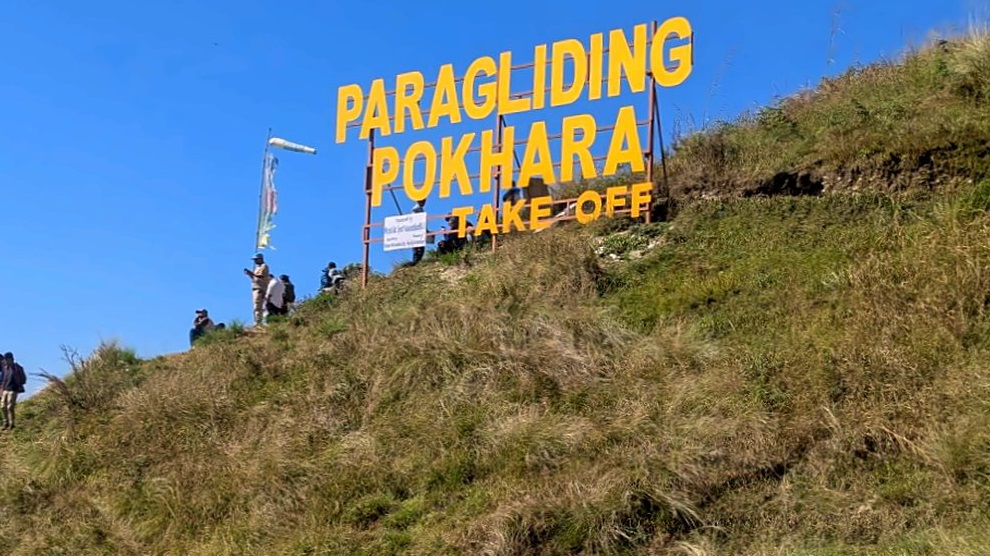
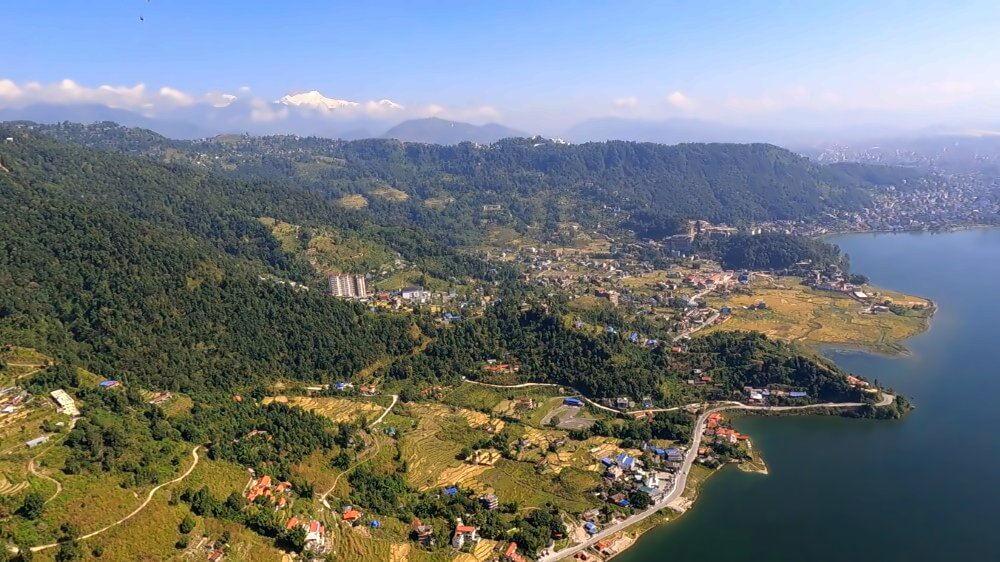
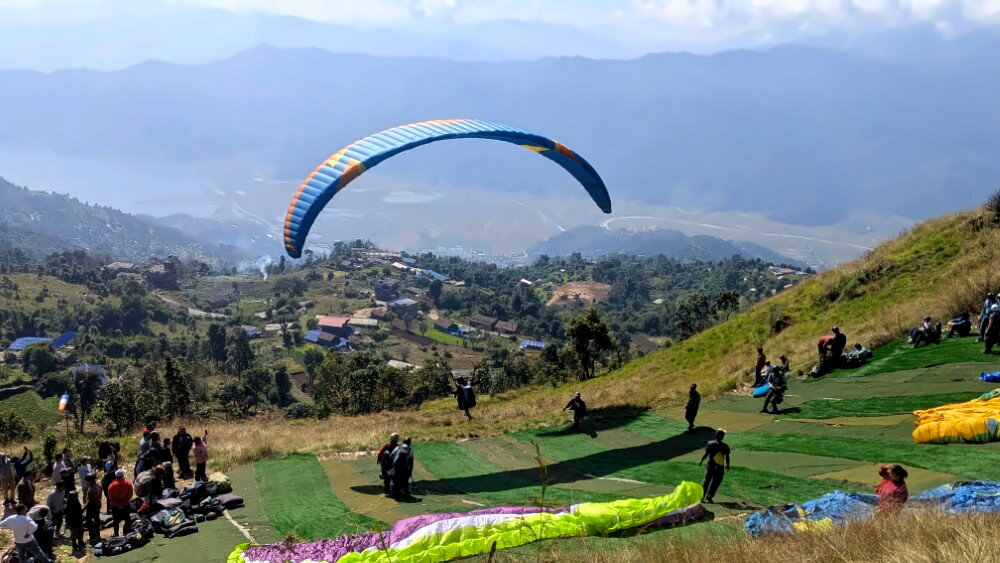
Prices are relatively affordable (around $ 80 for a 30-minute flight), safety standards are on par with Europe. And while paragliding might sound like pure adrenaline, the experience itself is surprisingly tranquil – you float rather peacefully through the air, taking in one of the most beautiful mountain panoramas on earth. Definitely not one to miss!
3. Boatride on Phewa Lake
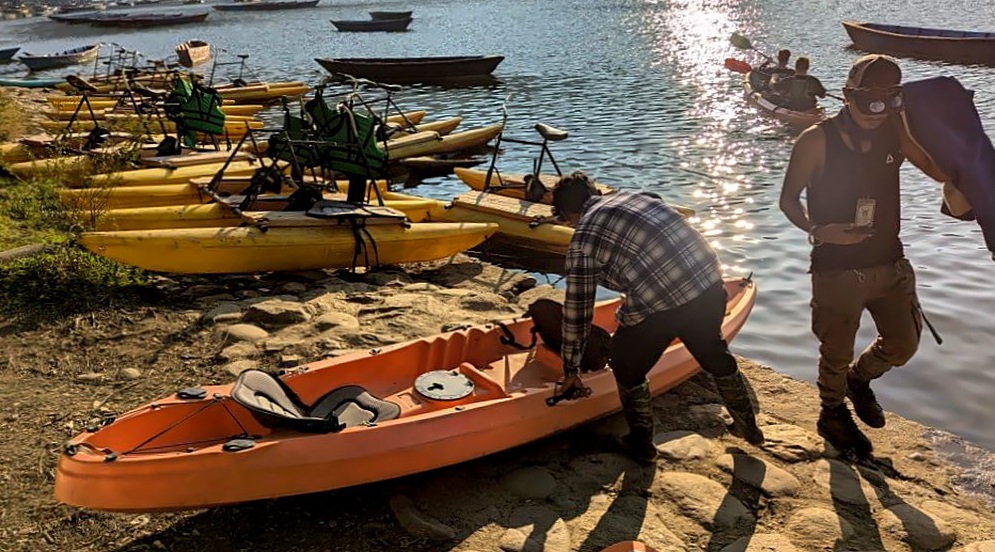
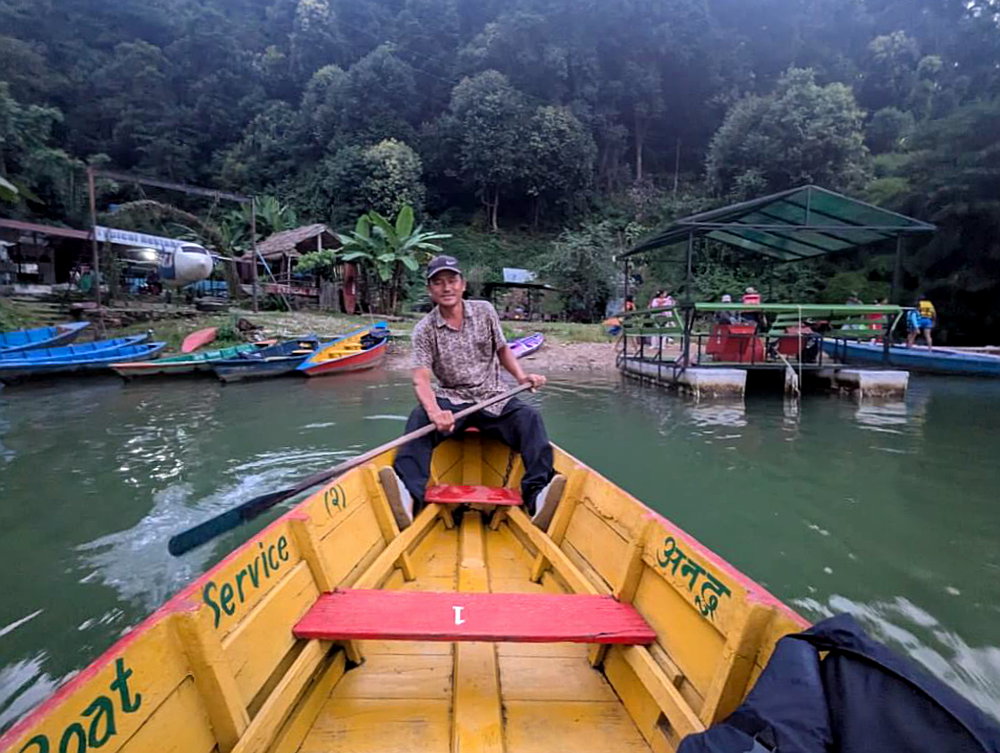
Surrounded by lush, forested hills, Phewa Lake is Nepal’s second-largest lake and Pokhara’s defining landmark. For that reason alone, it’s worth getting out on the water at least once. Riding a boat is a lovely experience in and of itself though: the lake is very calm, with no rough waves and the views back toward the city and the surrounding mountains are fantastic.
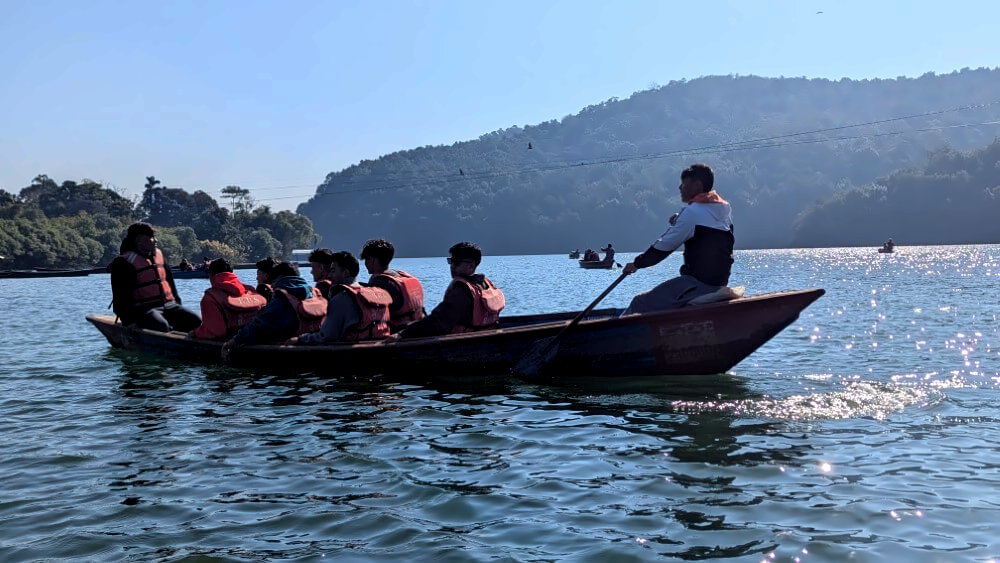
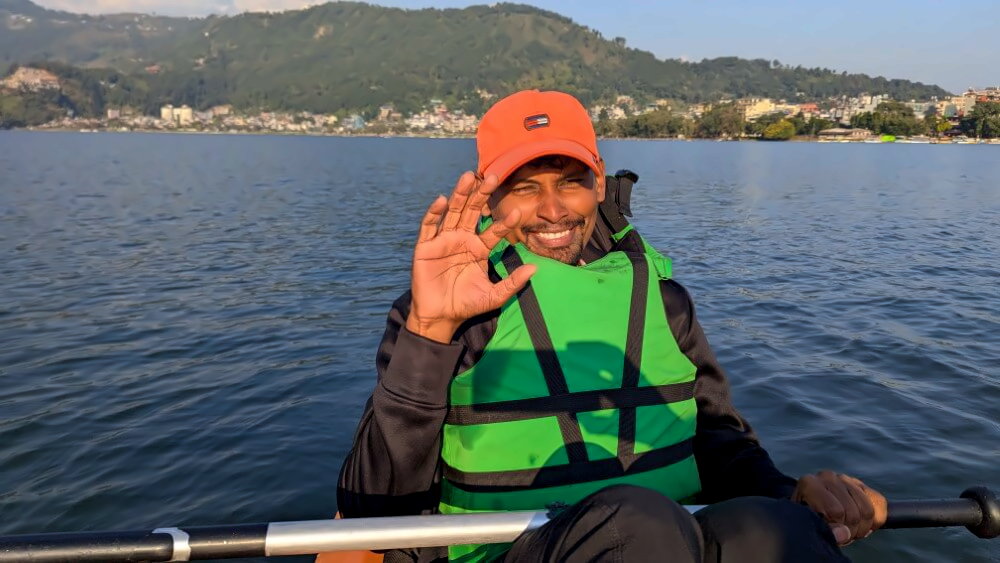
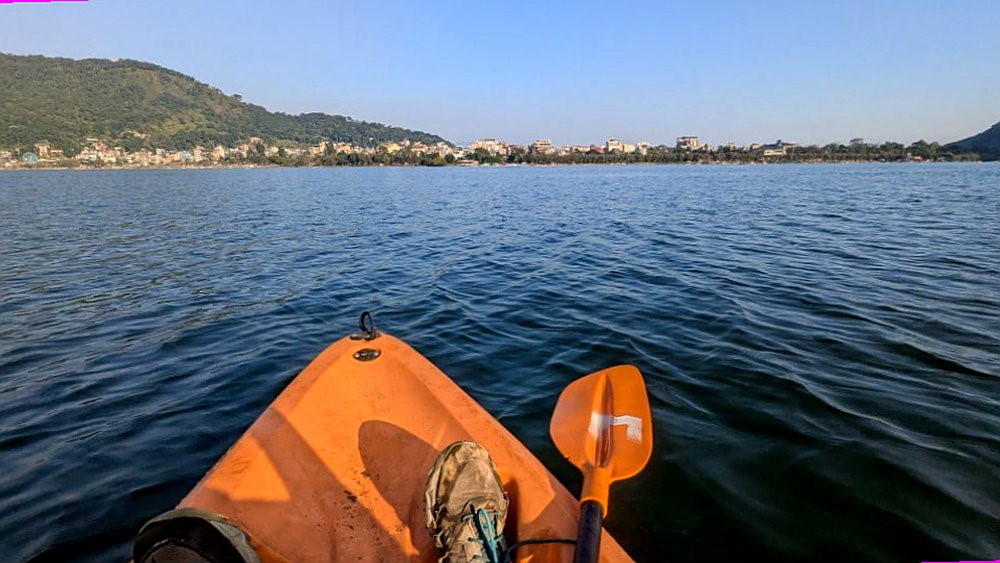
Depending on your preference you can either rent a boat yourself or hire one with a boatman. You’ll find plenty of options all along the Lakeside waterfront. Prices are very reasonable—around 800 NPR (just under $ 5) for an hour, or roughly 1,700 NPR for a full day. Besides classic rowboats, you can also rent kayaks, canoes, or even stand-up paddleboards.
4. Most Famous Viewpoint: World Peace Pagoda
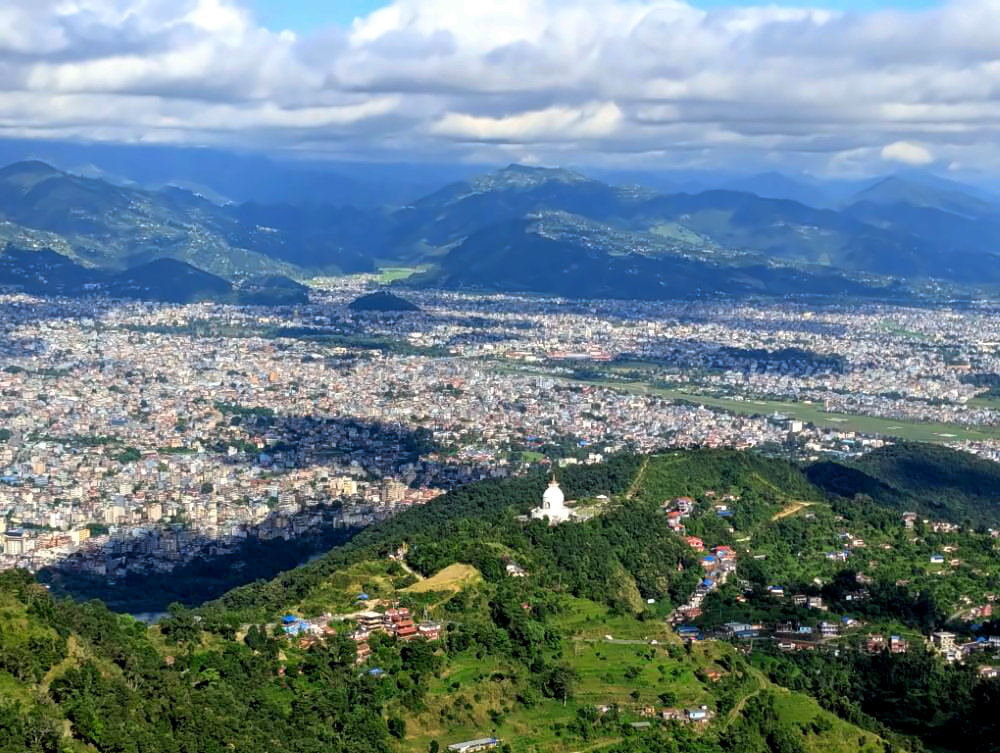
The most famous viewpoint in Pokhara is the World Peace Pagoda (Shanti Stupa). Perched on a hill about 300 meters above Phewa Lake, this gleaming white stupa offers sweeping views across the Pokhara Valley, the city, and – on a clear day – the Annapurna range on the horizon. Sunsets from up there are particularly memorable.
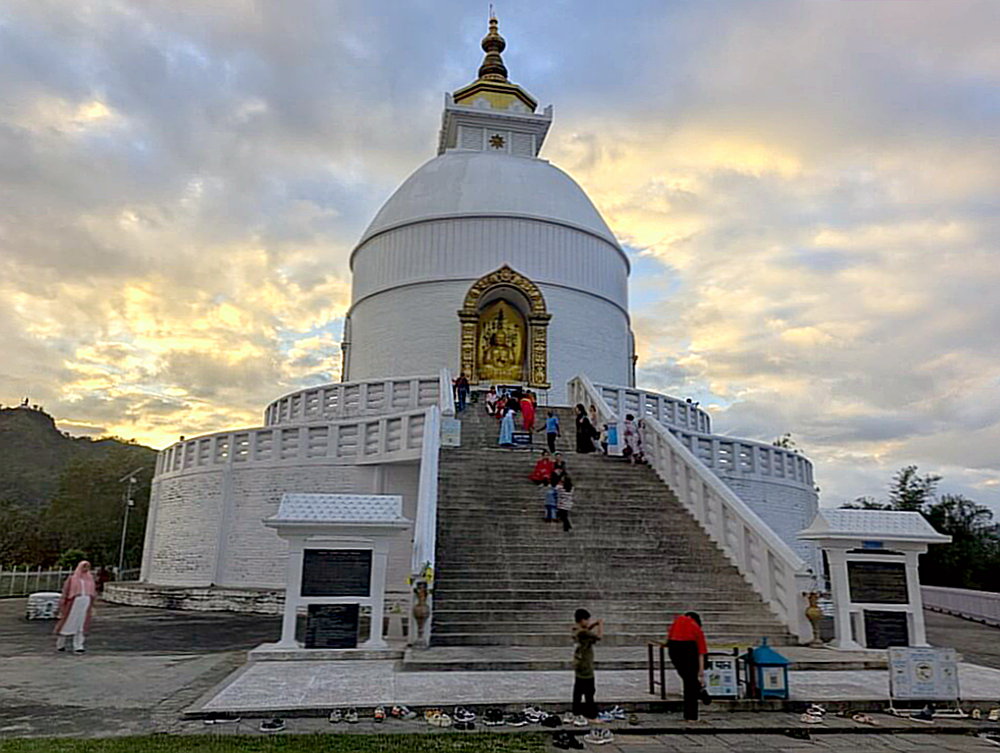
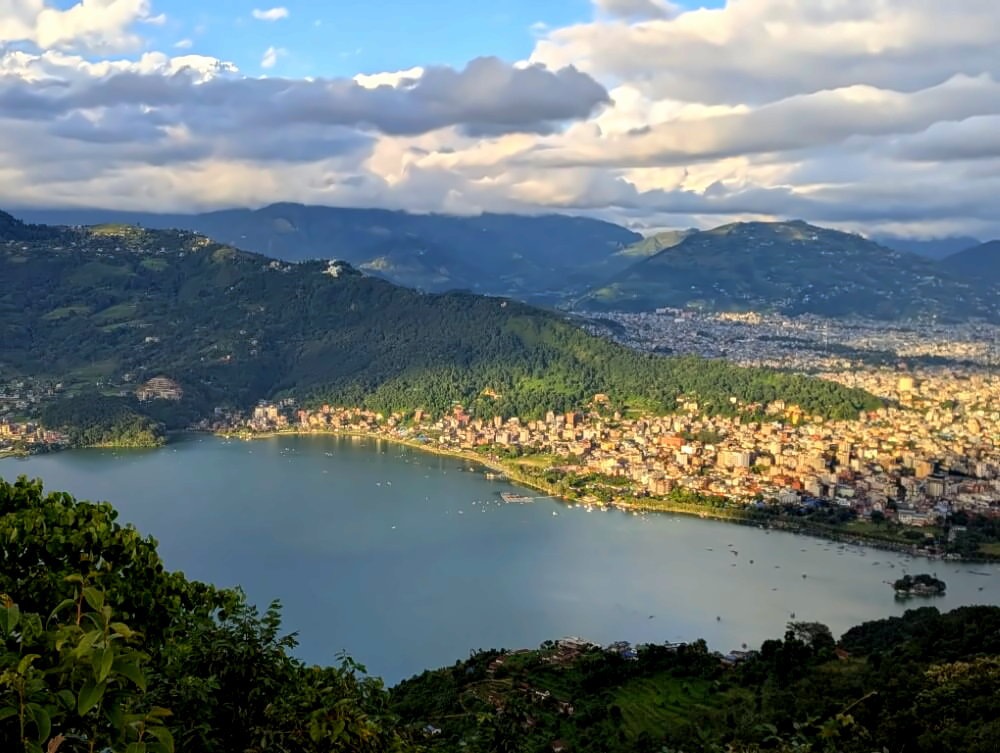
Getting from Pokhara to the World Peace Pagoda is straightforward, with a few different options. The fastest way is to take a taxi toward Chorepatan (around 1,000 NPR, 20–30 minutes), the road goes almost all the way to the top. Alternatively, you can take a boat from Lakeside to the docks below the stupa (just say “World Peace Pagoda”) and then hike up via stone staircases. Be warned though: It`s quite steep and the 45-minutes-walk feels like a proper workout.
5. Culture meets Nature: Gupteshwor Mahadev Cave & Devi’s Fall
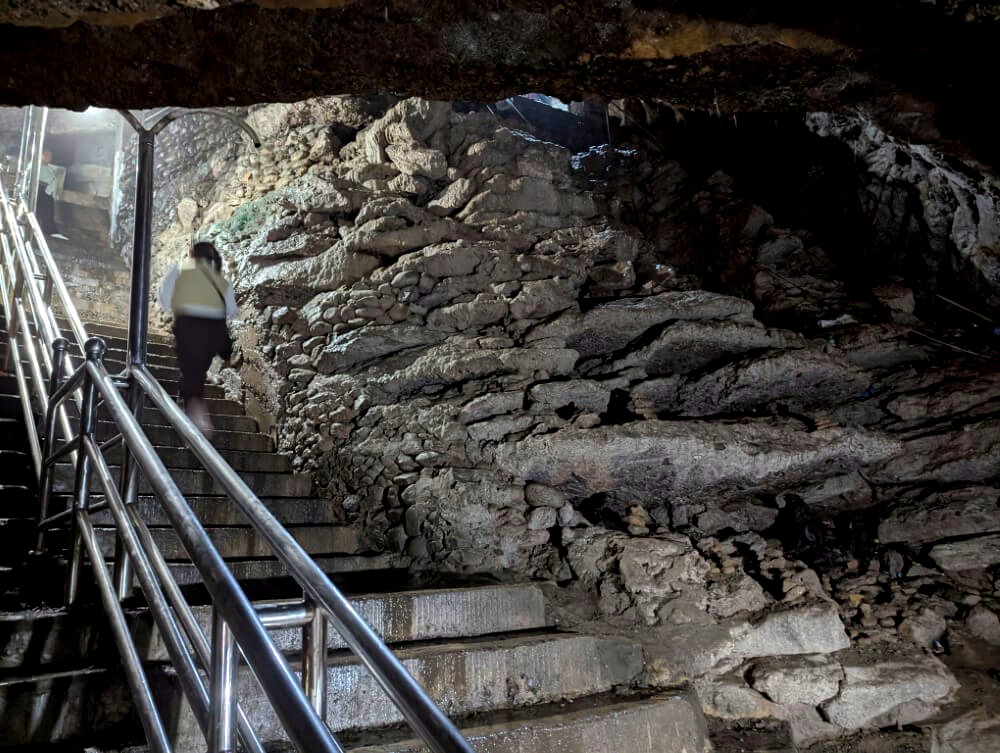
The Gupteshwor Mahadev Cave is the largest limestone cave in Pokhara and, at around 2,950 meters length, the longest cave in Nepal. Climbing down a long spiral staircase you will reach a Shiva shrine featuring a naturally formed lingam. The cave is divided into two sections: the rear part opens to a subterreanean gorge where the waters of the nearby Devi’s Fall plunge underground – though this section is often closed during the monsoon season.
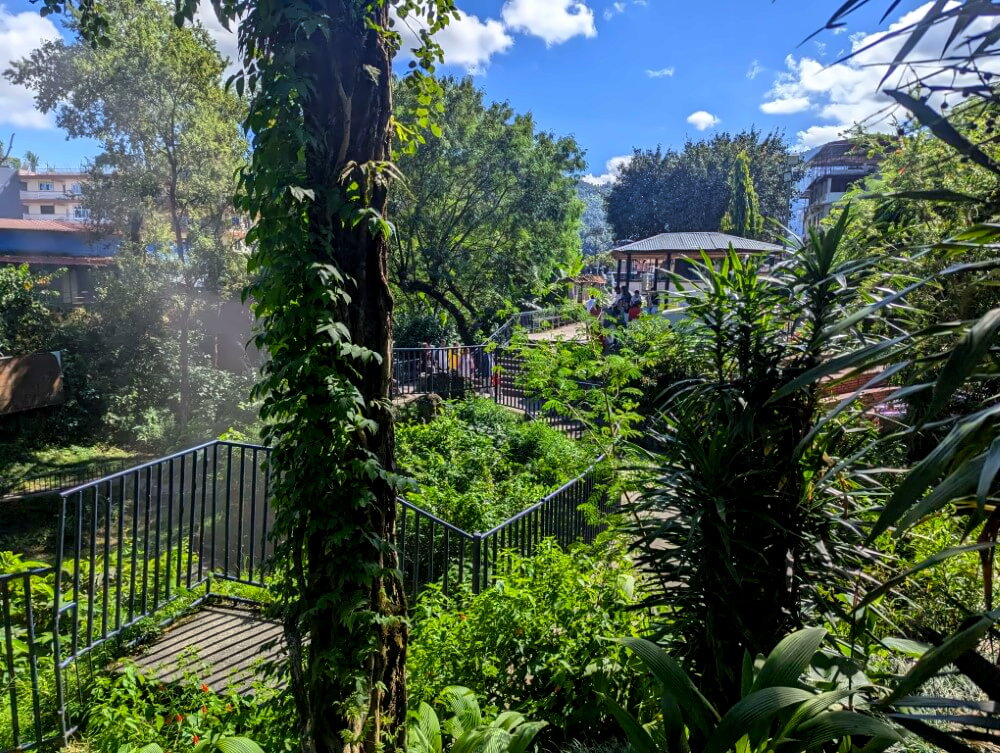
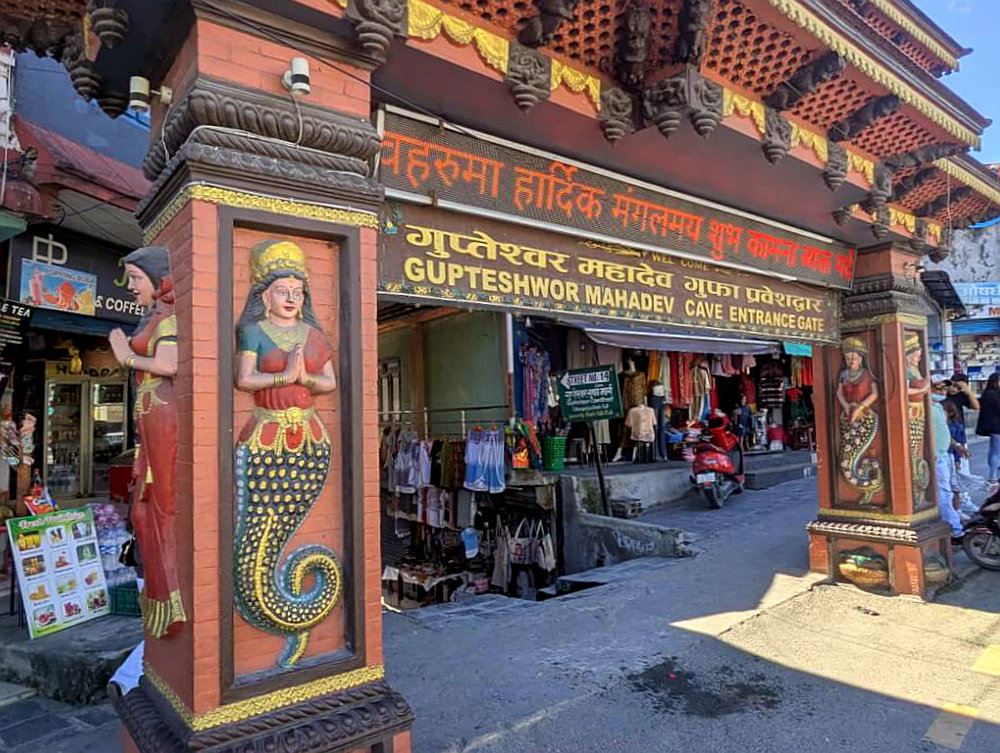
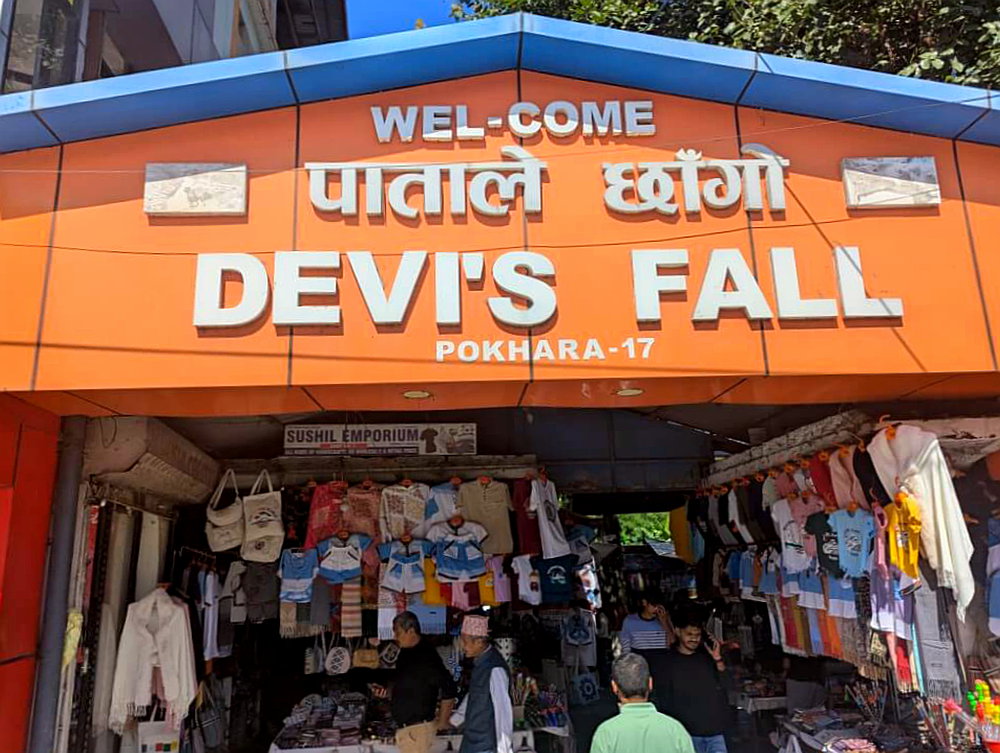
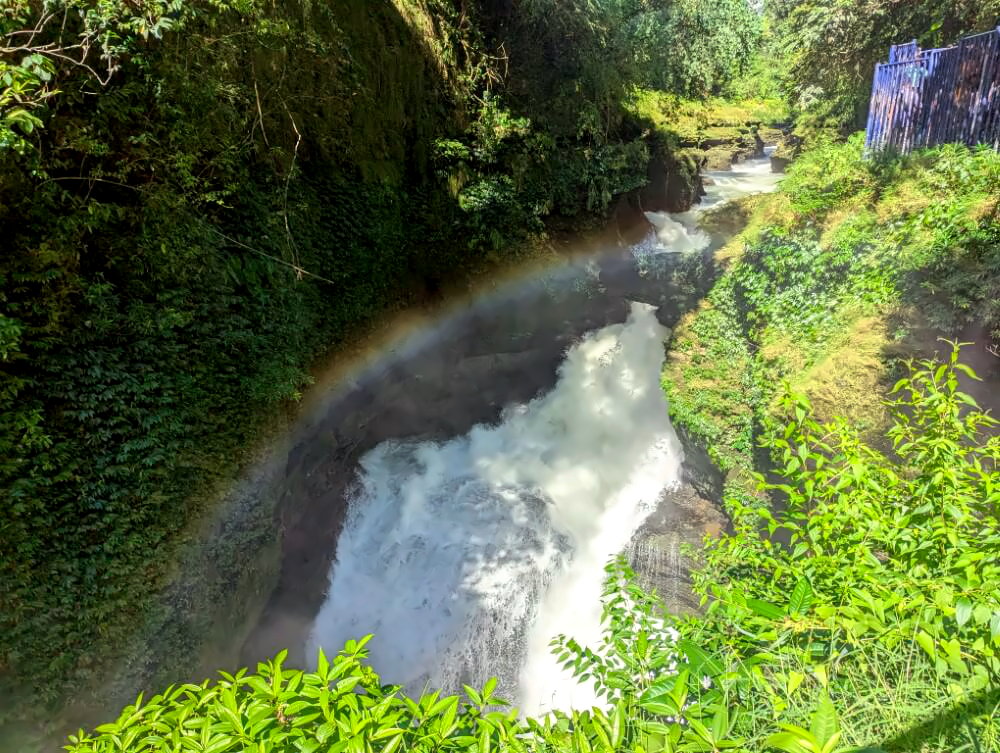
Devi’s Fall is Pokhara’s most famous waterfall and a rather unusual one. Instead of cascading freely, the water disappears into a narrow gorge and continues underground. The name dates back to a tragic accident in the 1960s, when a Swiss tourist fell to her death. Today, the site is fully secured, with a viewing platform, a small garden, and a few temples. Since both attractions are only a few hundred meters apart, they’re easy to combine in one visit.
That covers the top highlights. If you’re planning to spend a bit more time in Pokhara, you’ll find 20 more worthwhile sights, hidden gems, and excursions below.
Lakeside: The Heart of Pokhara
Lakeside is Pokhara’s main tourist hub – almost every trip starts here. It’s where you’ll find most of the hotels, cafés, restaurants, and shops. As the name suggests, Lakeside sits right along the shores of Phewa Lake. A great way to get your bearings is a relaxed walk along the lakeside promenade, which runs parallel to the district’s main road.
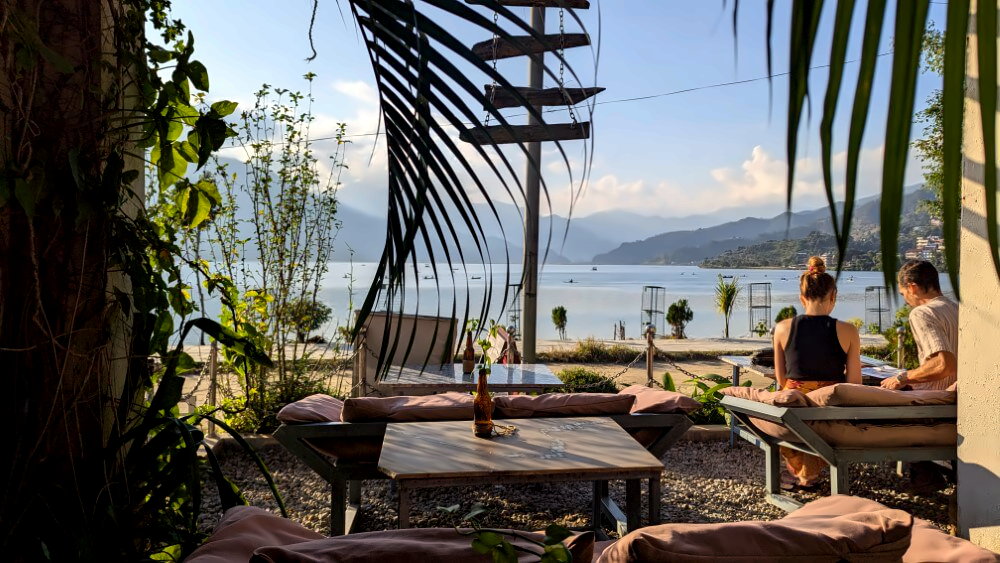
The promenade begins at the Phewa Taal Boating Association (around Street 13) and then stretches for nearly two kilometers along the lakeshore. Along the way, you’ll pass countless cafés and restaurants – many with fantastic views over the water (my favourite: Coffee Break). Once you’re done, just take one of the side streets and you’ll be back in the center of Lakeside within a couple of minutes.
A quick note for navigating: Lakeside is roughly divided into two parts – Lakeside North and Lakeside South. The main road, Baidam/Lakeside Road, runs parallel to the lake, and all side streets branching off it are simply numbered (Street 1 etc).
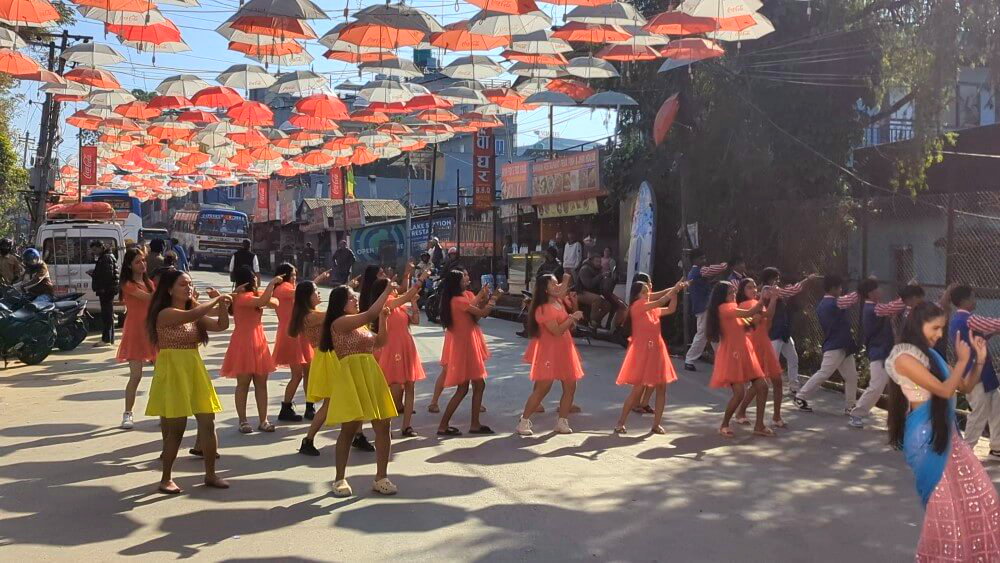
The centre of Lakeside is around Street 17, the aptly-named “Umbrella Road” which is filled with many colourful umbrellas. Everything north of that is considered Lakeside North – the busier part with more shops and restaurants. The southern section stretching toward Damside is noticeably quieter. However, I personally enjoyed Lakeside North a bit more.
Temples & Spiritual Sites
Pokhara may not have quite as many temples as the Kathmandu Valley. But there are still some fascinating religious sites worth visiting. These are some of the most memorable:
Tal Barahi Mandir
The Tal Barahi Mandir is the most famous temple in Pokhara, largely thanks to its stunning setting on a small island in the middle of Phewa Lake. It’s dedicated to the goddess Barahi, one of the seven mother goddesses in Hinduism, which makes it an important pilgrimage site. For Nepali visitors a visit here is almost obligatory. You’ll also notice plenty of people feeding the large carp that gather around the island, another small ritual that adds to the atmosphere.
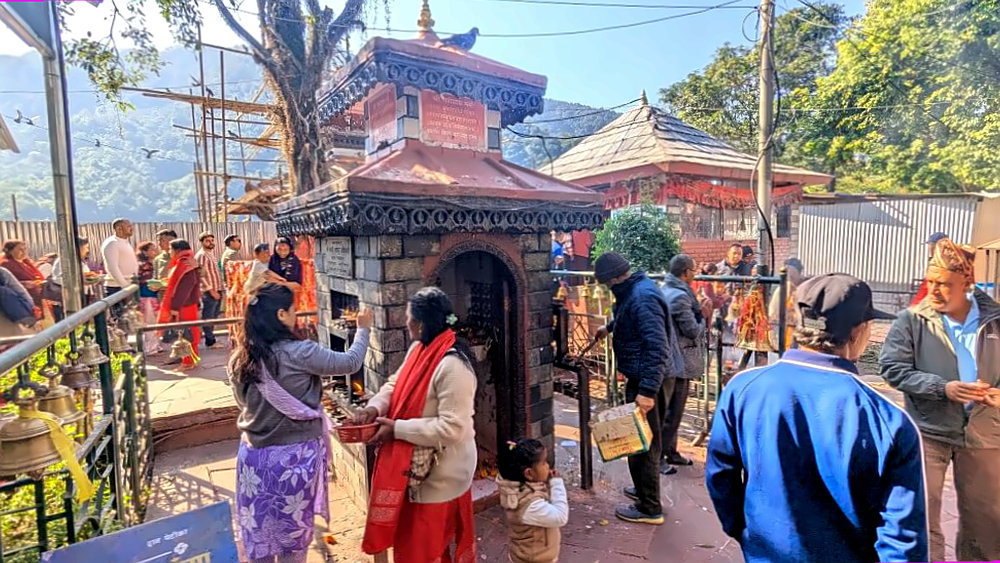
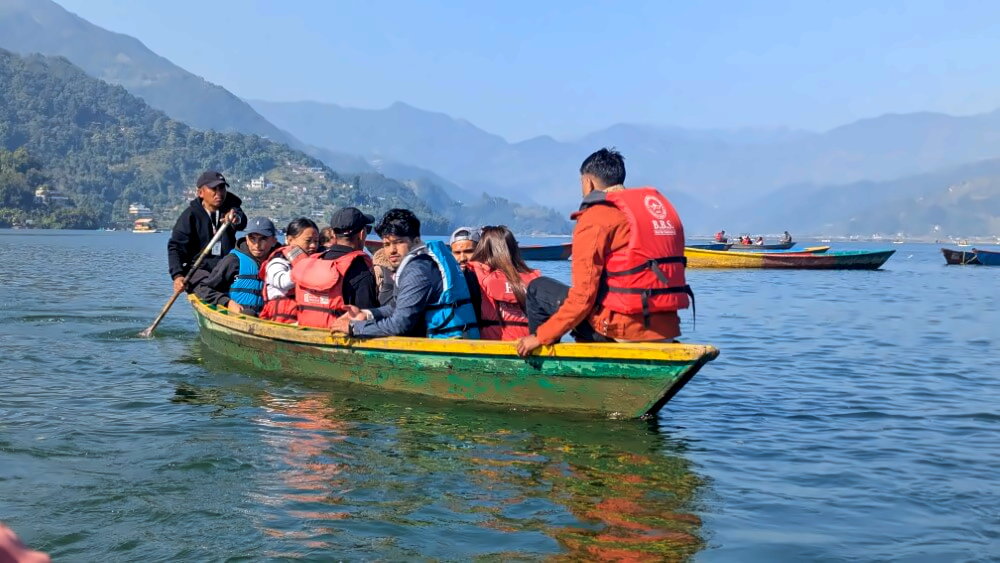
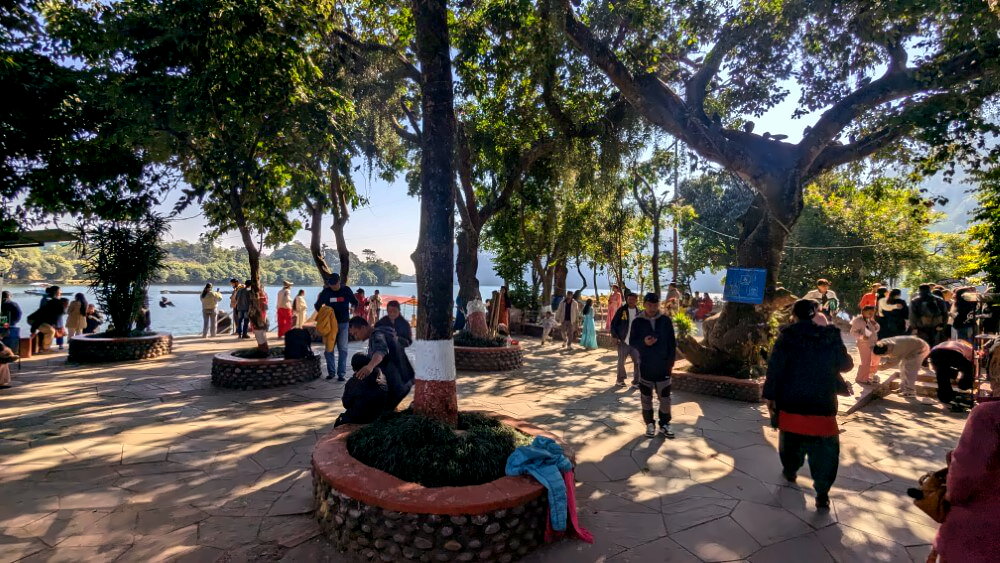
The temple grounds around the pagoda-style shrine are fairly compact, but since you can only reach the island with a rather shaky traditional wooden canoe, the journey itself is part of the experience. Tickets are sold at the lakeshore opposite (around 100 NPR), the ride takes just five minutes. Tip: come early in the morning if you can, it’s much quieter then. Later in the day, it gets noticeably busier.
Lakeside Aarti
A true cultural highlight in Pokhara: every evening around 5:30 pm, the Lakeside Aarti takes place on the ghats opposite the Tal Barahi Mandir. This vibrant Hindu ceremony (puja) is performed in honor of the gods, with three priests chanting and carrying out a kind of ritual fire dance using blazing torches.

Watching the ceremony is completely free. I actually stumbled upon it by chance on my way back by boat from the World Peace Pagoda and ended up staying, completely absorbed. Like many Hindu rituals, it has a slightly hypnotic, almost psychedelic quality. My favorite moment was the finale, when the crowd suddenly broke into lively dancing. Definitely an experience that you shouldn`t miss.
Pumdikot Shiva Statue
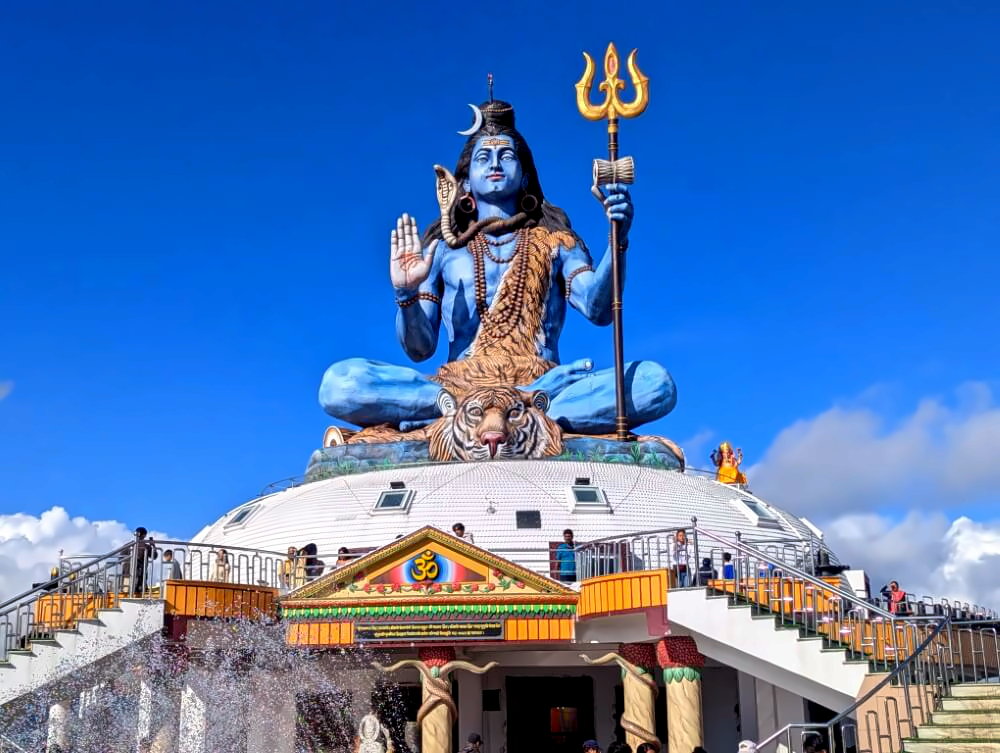
About a kilometer west of the World Peace Pagoda, you’ll find another striking landmark: the Pumdikot Shiva Statue. Standing around 15 meters tall above the village of Pumdikot, the statue is visible from afar and hugely popular with both Indian and Nepali visitors. As a result, it’s often quite busy – there’s even a small amusement area with balloon rides and panoramic swings.
The statue is easily reached by local bus to Pumdikot or by taxi (around 1,200 NPR), with the road going almost all the way to the top. You can easily combine it with the World Peace Pagoda: have a driver take you up to Pumdikot first, then follow a scenic trail over to the pagoda and finally return to Lakeside by boat across Phewa Lake.
Matepani Gumba
The Matepani Gumba is the largest Buddhist monastery in Pokhara, set on a lush, forested hill to the east of the city center. With its golden roofs, fluttering prayer flags, and colorful façade, it’s a peaceful place to escape the buzz of Lakeside. When I visited, I had the entire place to myself.
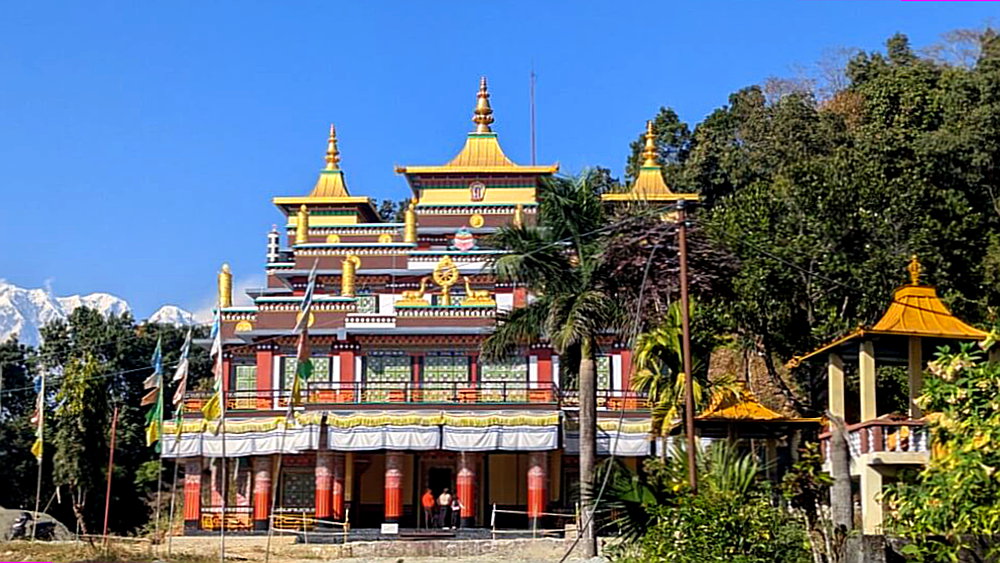
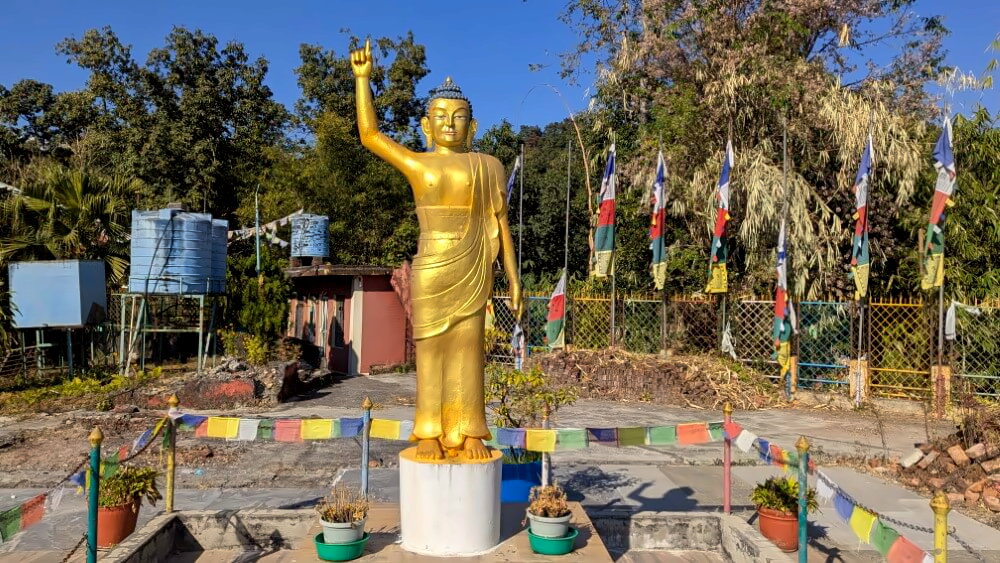
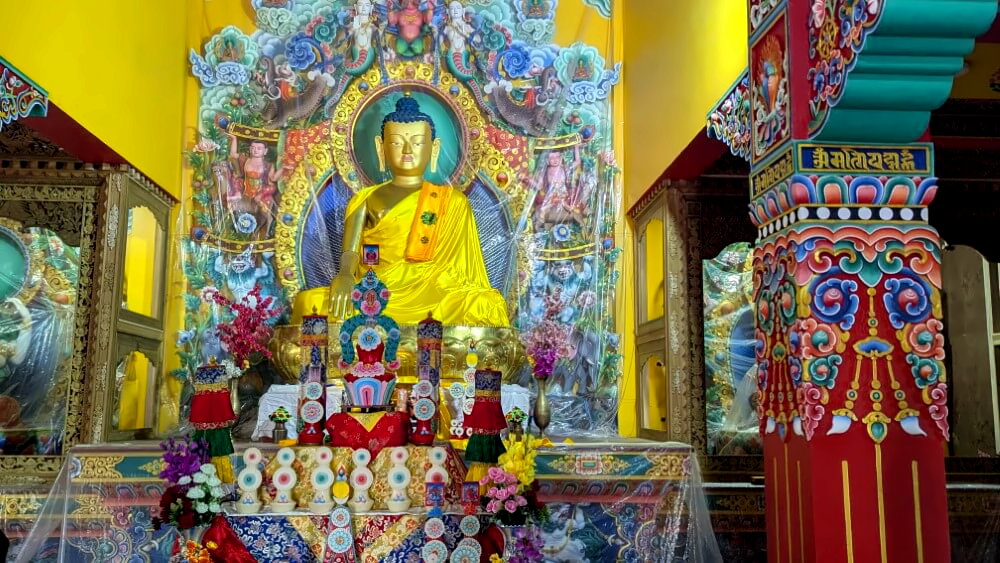
The monastery is a short 10-minute walk up from Gompa Road. When I visited, there was some construction work going on outside and parts of the complex felt a little neglected – hopefully that will improve over time. Still, I really enjoyed the visit. These Buddhist places always have this special, soothing atmosphere.
Shree Bindhyabasini Temple
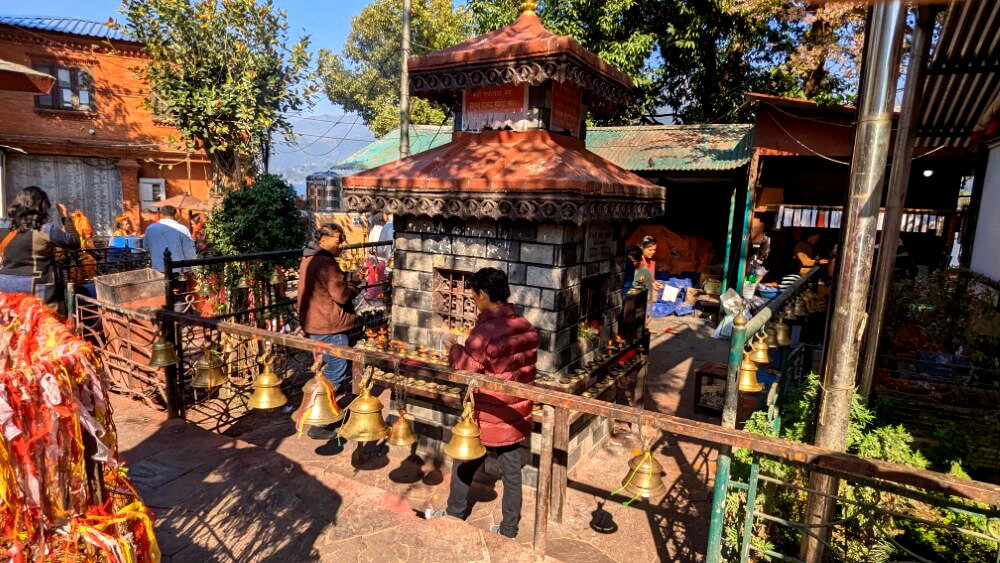
The Shree Bindhyabasini Temple is the oldest Hindu temple in Pokhara, dedicated to Bindhyabasini, the city’s guardian deity. Within the complex, you’ll also find smaller shrines to familiar Hindu gods like Shiva, Hanuman and Ganesh. It’s not a place many tourists visit which is exactly what makes it worthwhile. If you’re looking for something a bit more authentic and less frequented, this is a great spot to include.
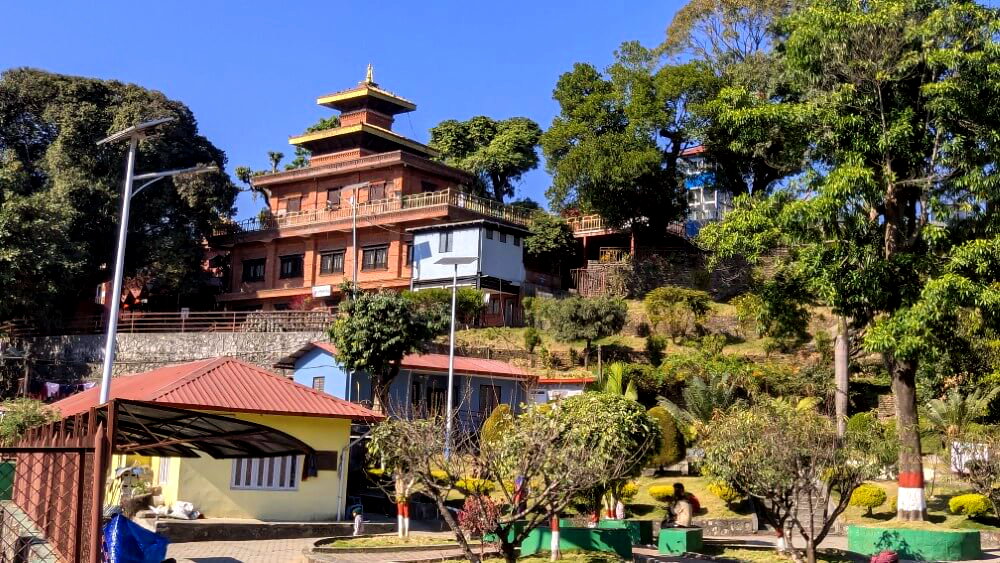
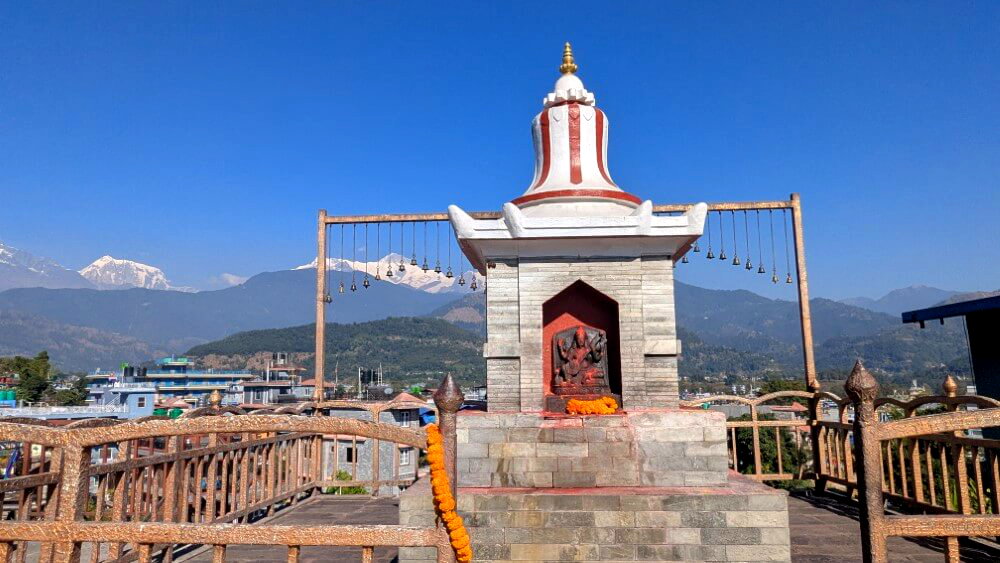
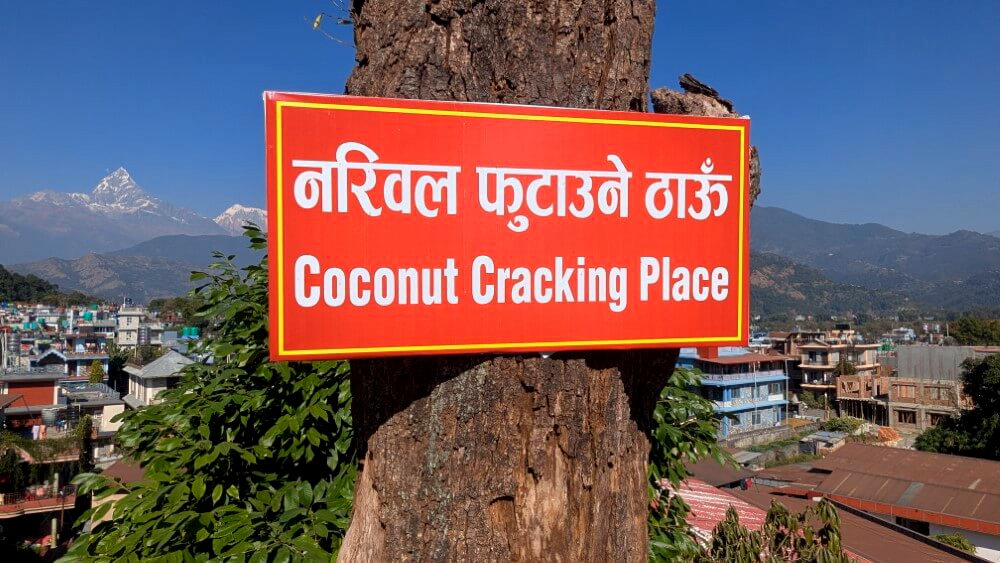
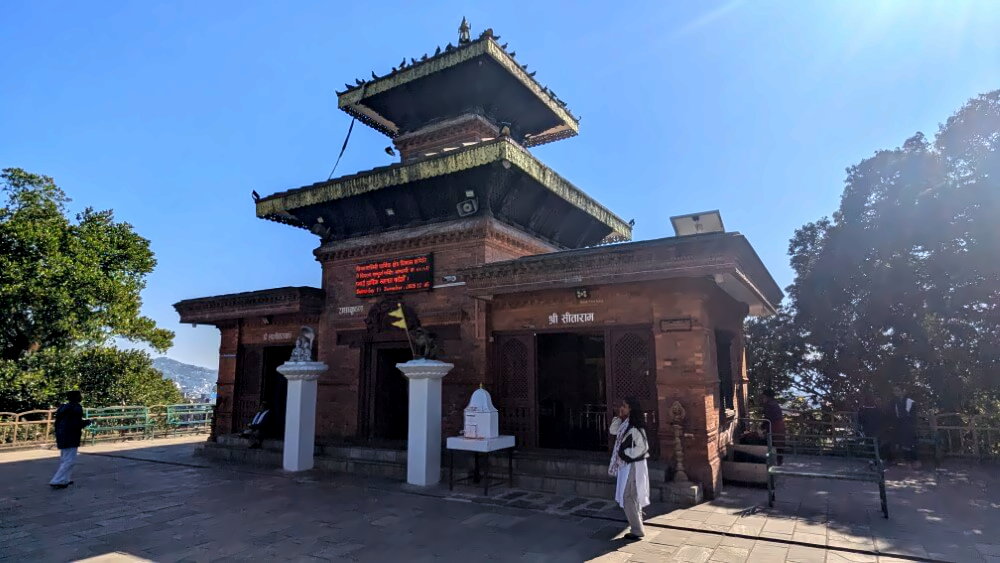
From the temple grounds you’ll get sweeping views over the city and the distant mountains on the horizon. Just below, there’s also a small, well-kept park. If you have a bit more time, you can walk down along Bhimsen Marg in about 10 minutes to reach the Bhimsen Temple and Old Pokhara Bazaar, the traditional heart of the city.
Nature & Unique Places
One of Pokhara’s defining features – aside from the various lakes – is its huge network of limestone caves, shaped over time by rainwater and rivers flowing down from the Annapurna massif. These are some of the most interesting spots:
Seti Gorge
The Seti Gorge is carved by the Seti Gandaki River, which originates in the glaciers of Annapurna II before winding its way south through the surrounding hills. Remarkably, the river even cuts straight through Pokhara itself. Nowhere is this more striking than at the Seti Gorge – a narrow, steep-sided canyon around 70 meters deep, right in the middle of the city.
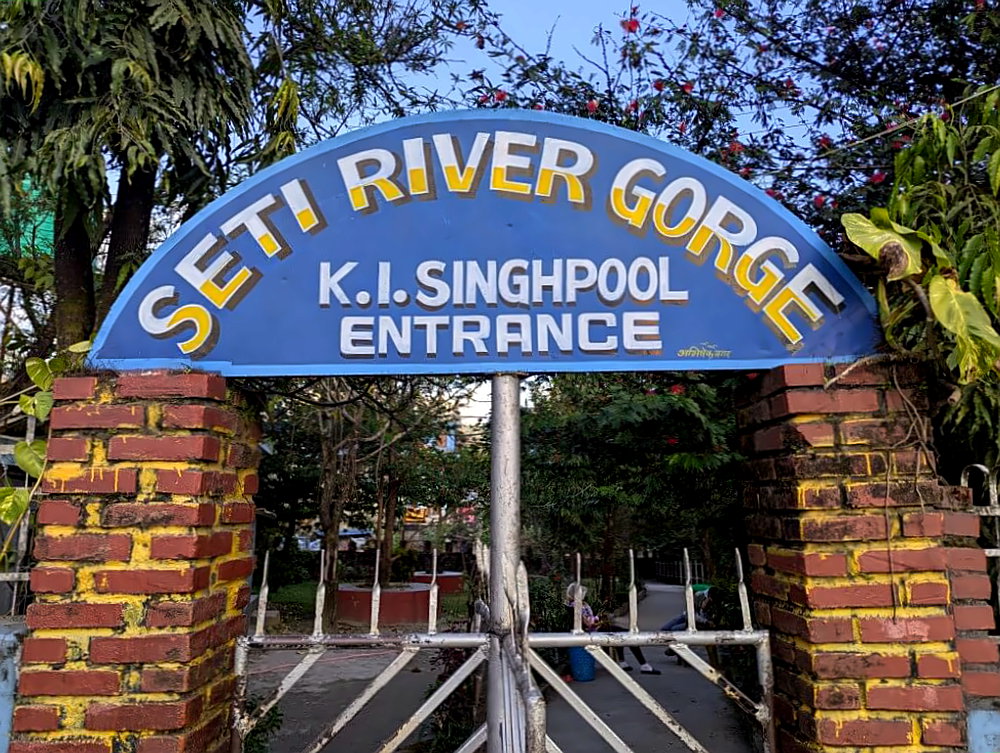
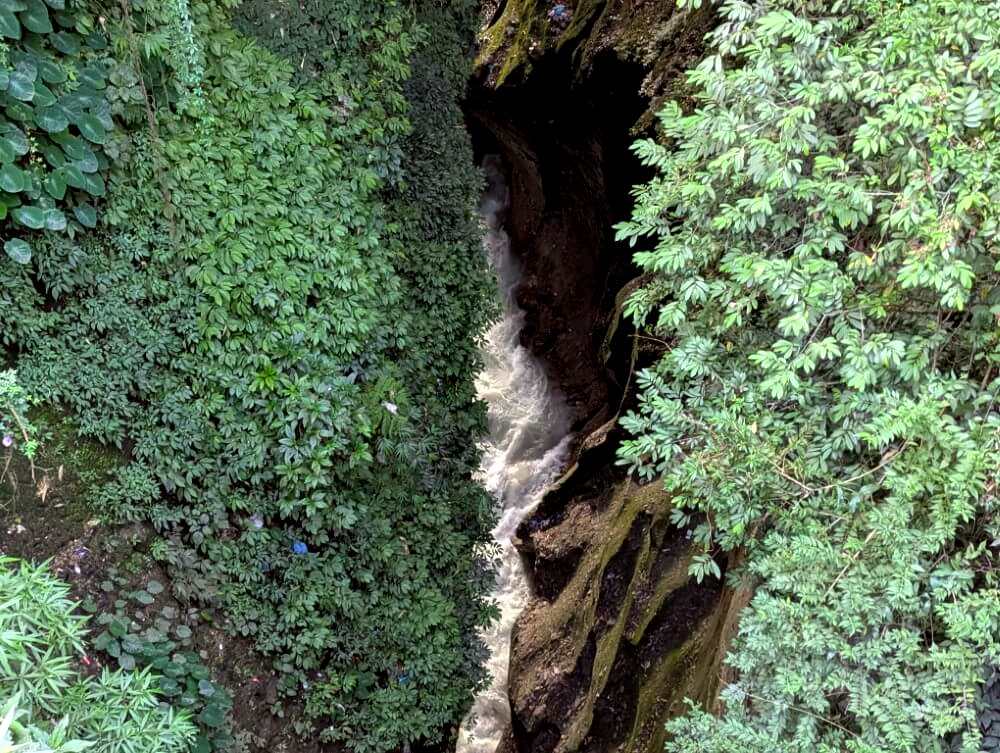
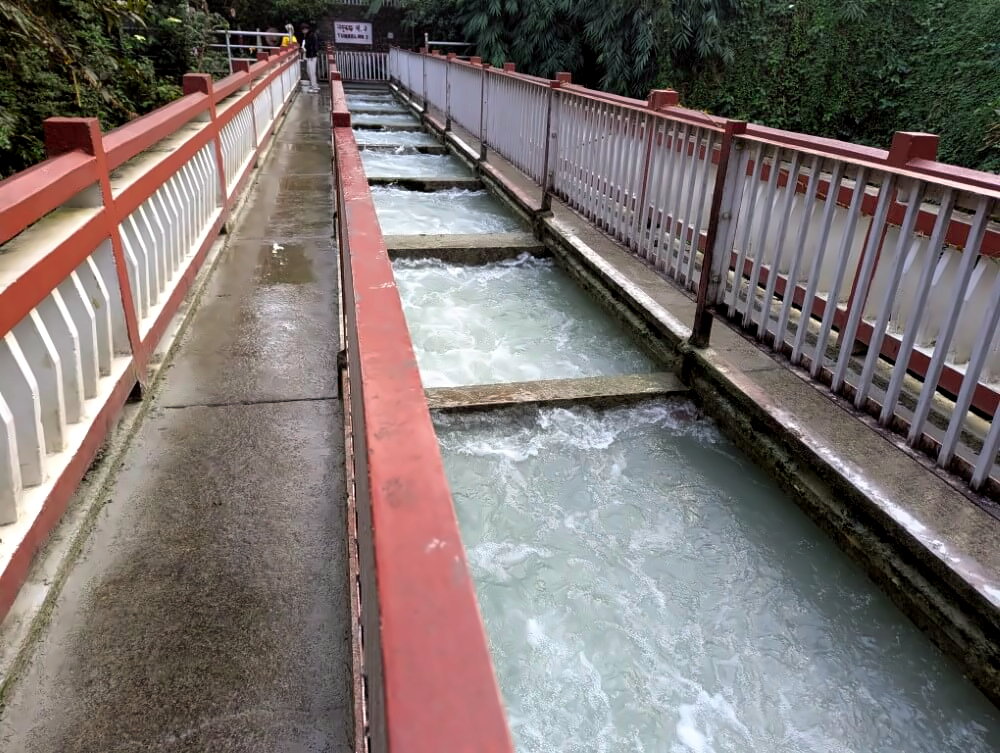
The gorge is spanned by a narrow bridge which offers vertigo-inducing views downwards. In some sections, the river is even diverted through a kind of aqueduct. The area itself isn’t particularly large but the sight of the raging water cutting through the rock is still impressive. Entry is 60 NPR and you’ll even get a complimentary tika blessing (a red mark on the forehead). It’s a great little detour if you’ve been to the Gurkha Memorial Museum (see below) – the gorge is just a few minutes down the road.
Walk through Rani Ban Forest
The peaceful Rani Ban Forest sits directly opposite Lakeside along the southern shore of Phewa Lake. You can follow the lakeshore on a well-maintained walking trail which winds through the woods and offers lovely views back toward Lakeside across the water. The atmosphere here is wonderfully calm – I didn’t encounter a single other person, just a few monkeys swinging through the sal trees.
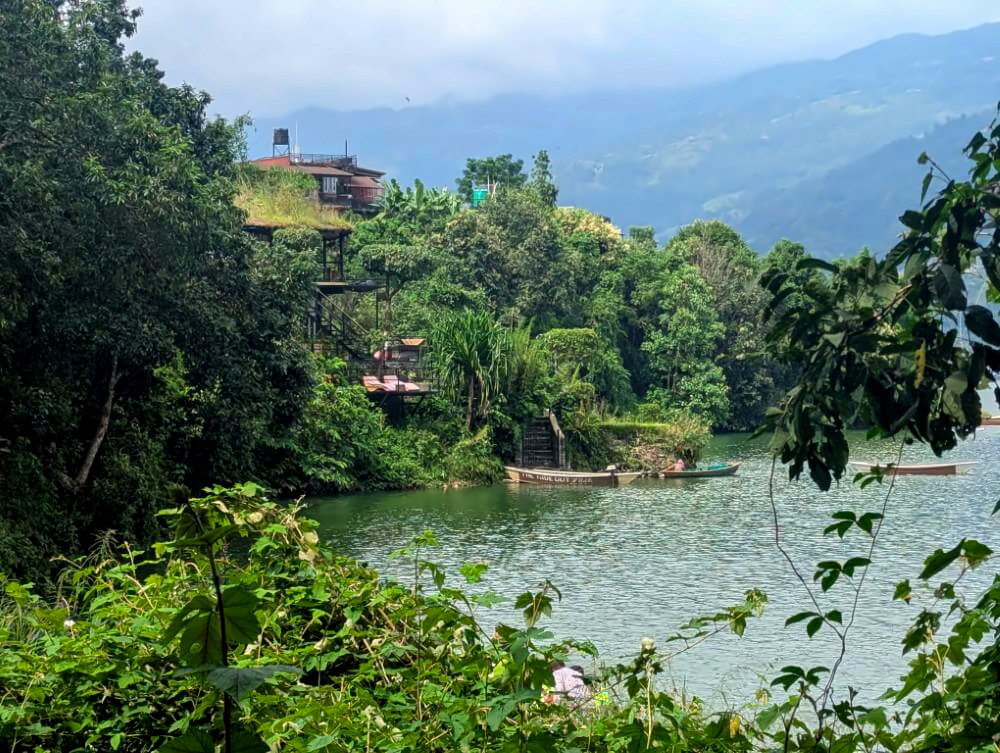
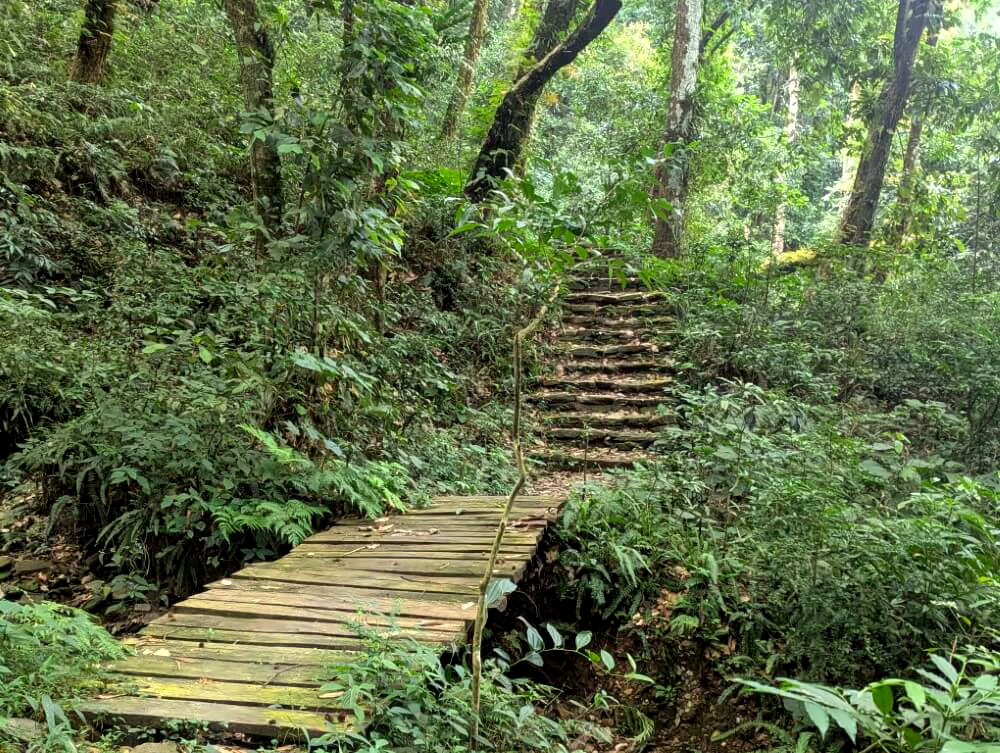
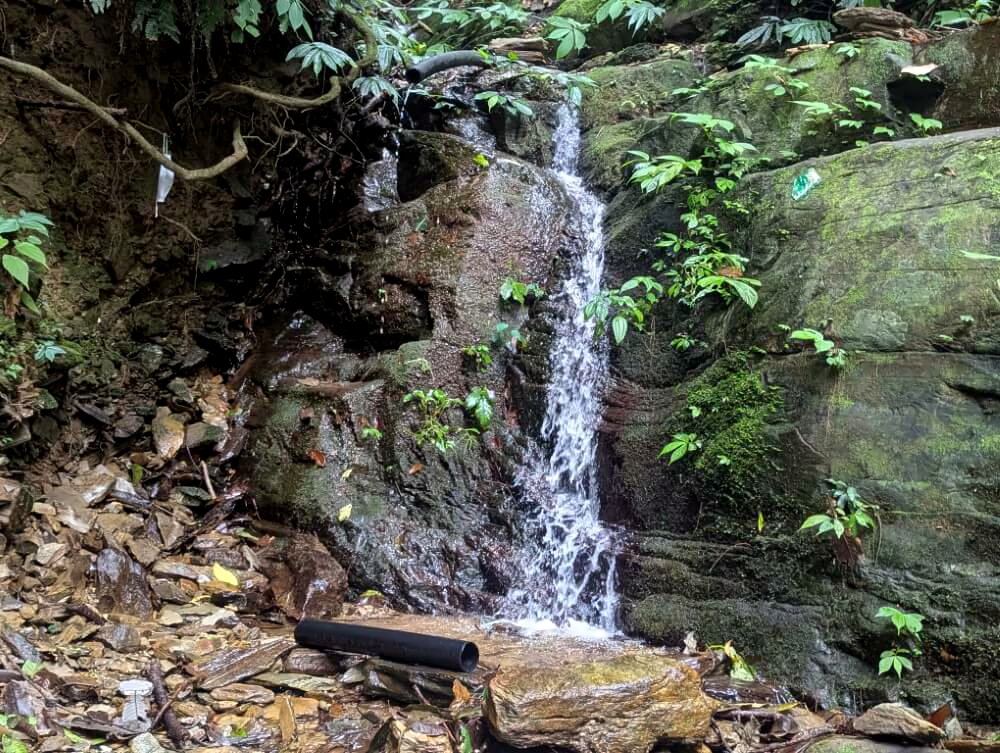
The entrance to the forest is located in Damside within the small World Peace Biodiversity Garden. From here, the trail leads all the way to the bay where boats dock for visitors heading to the World Peace Pagoda. So it`s easy to combine both. Beyond the bay, the path continues even further. If you have time, you can follow it along the entire southern shore of Phewa Lake and later catch a bus back to Lakeside from Pame village.
Bat Cave
A little north of the city center you’ll find another intriguing cave: the Bat Cave. It’s smaller than the Gupteshwor Mahadev Cave, but comes with a unique highlight: hundreds of bats clinging to the ceiling in the main chamber. Bat Cave feels a bit more adventurous, too. The tunnels are pitch dark and the ground can be slippery and uneven – so it’s worth watching your step.
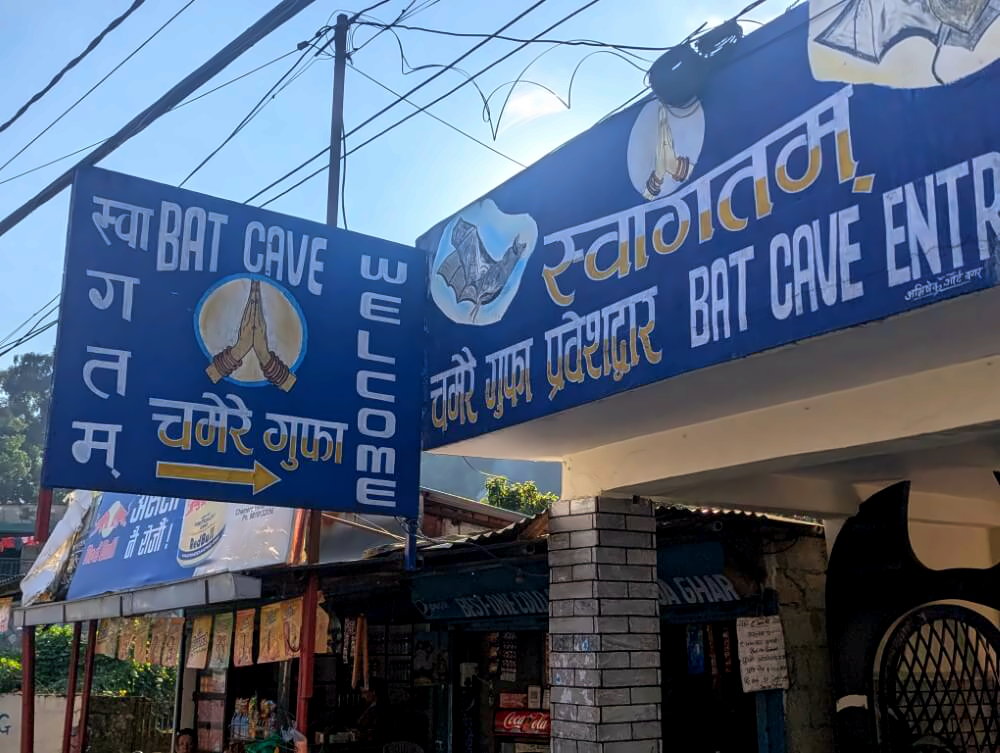
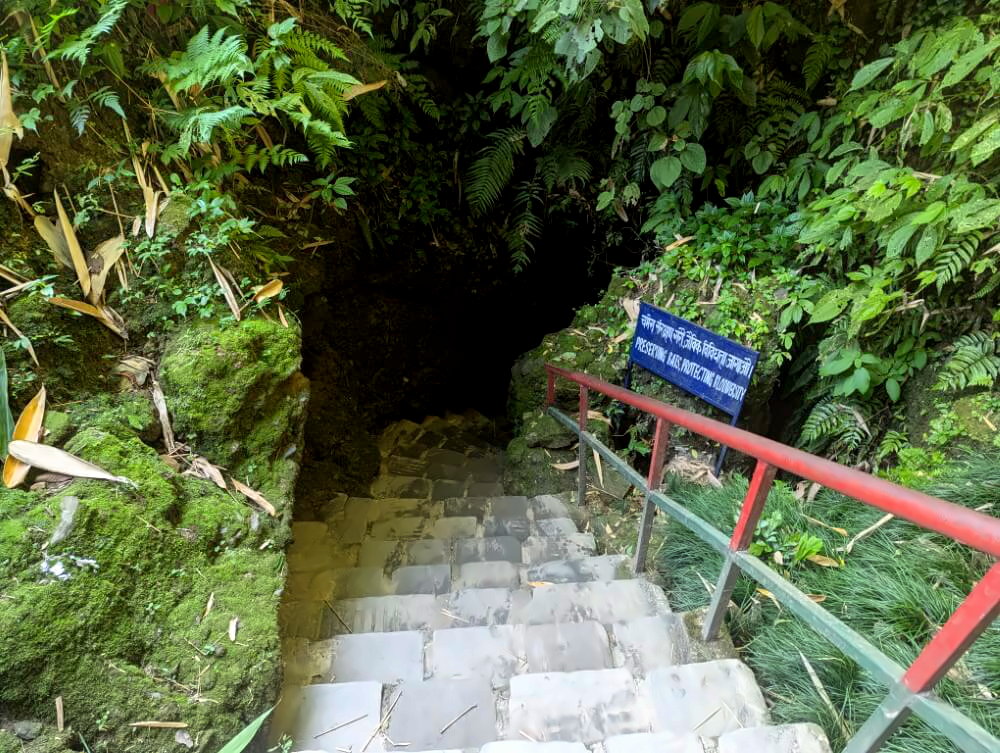
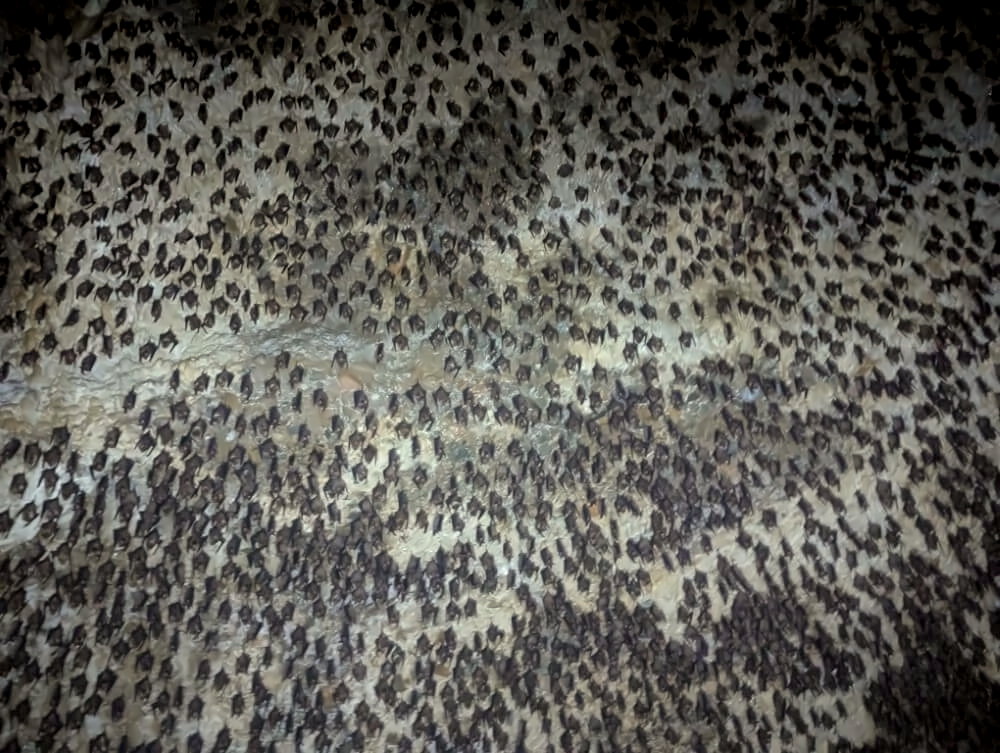
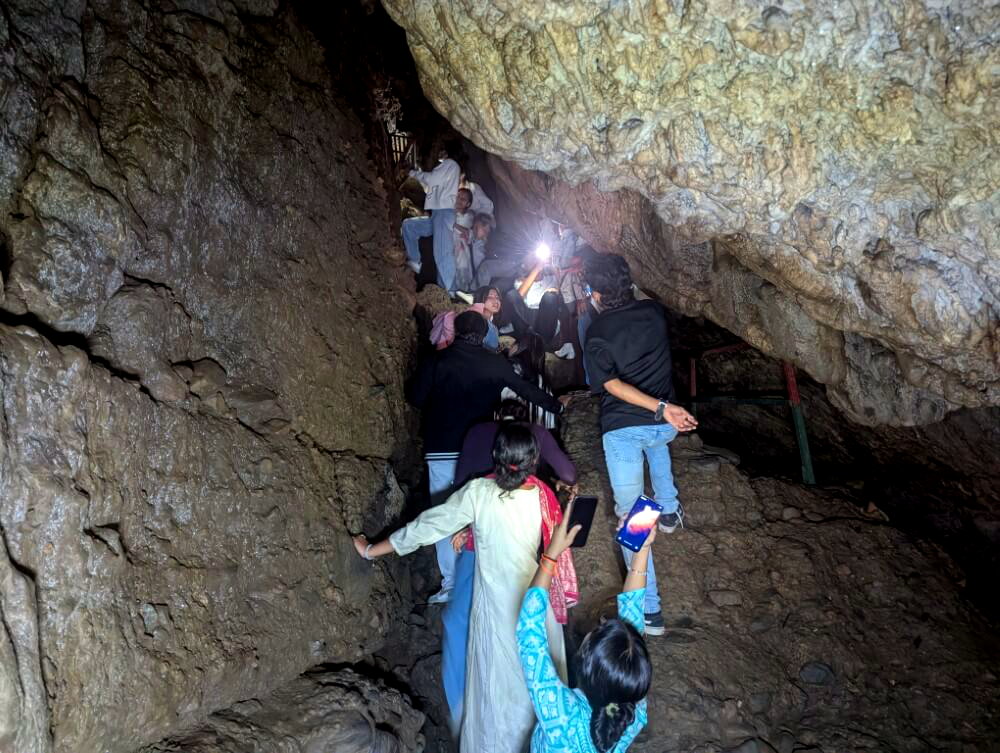
You’re given a flashlight at the entrance, which you’ll definitely need. The exit, however, is where things get really interesting: you climb out through a steep, slippery rock chimney, almost like a mini via ferrata. Nepali tourists obviously tackle it in just their flip-flops – honestly, that alone is worth seeing. Just next door is the Mahendra Cave, another cave which might be worth a look. I personally found the Bat Cave more memorable, though.
Best Activities in Pokhara
Pokhara is Nepal’s go-to hub for adventure sports – but you can just as easily take things at a slower pace. Here are a few ideas:
Mountain Biking in the Harpan River Valley
Pokhara isn’t just a paradise for paragliders, it’s also fantastic for mountain biking. The countless hills surrounding the city offer plenty of routes, though many of them are steep and physically demanding. If you’re after something a bit more relaxed, I’d recommend a ride through the Harpan River Valley just west of Pokhara.
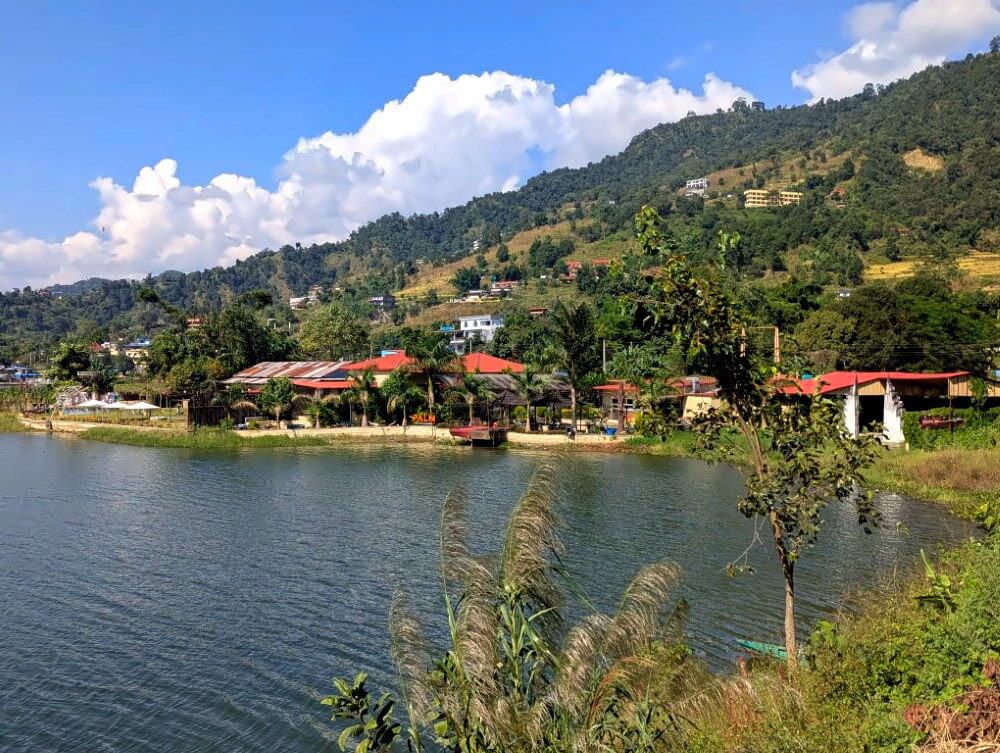
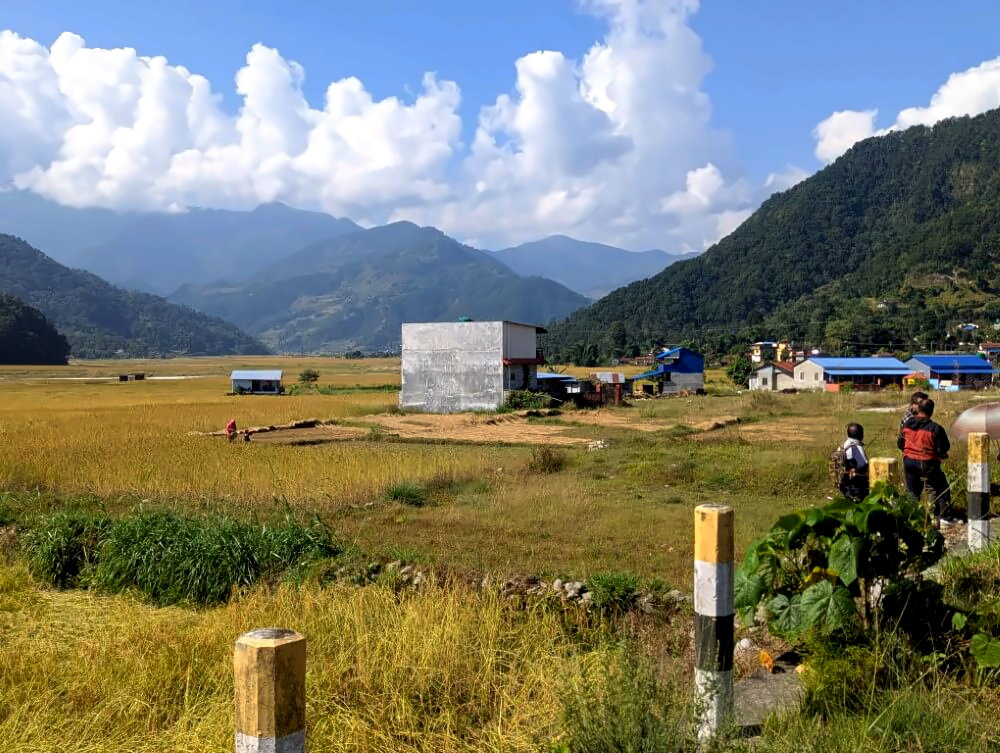
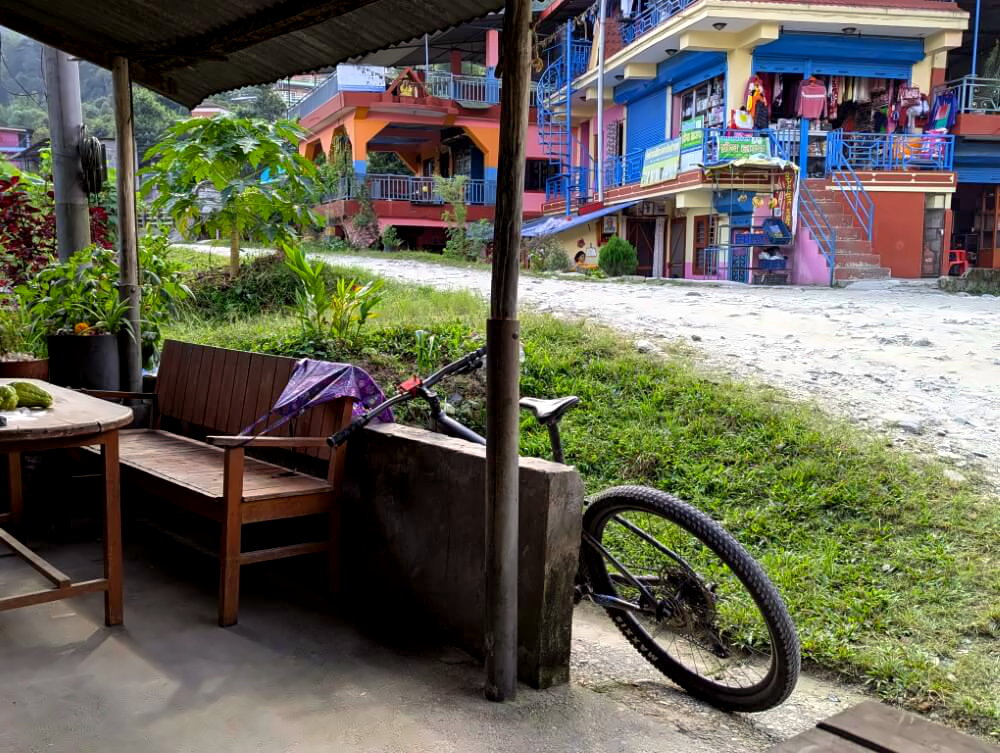
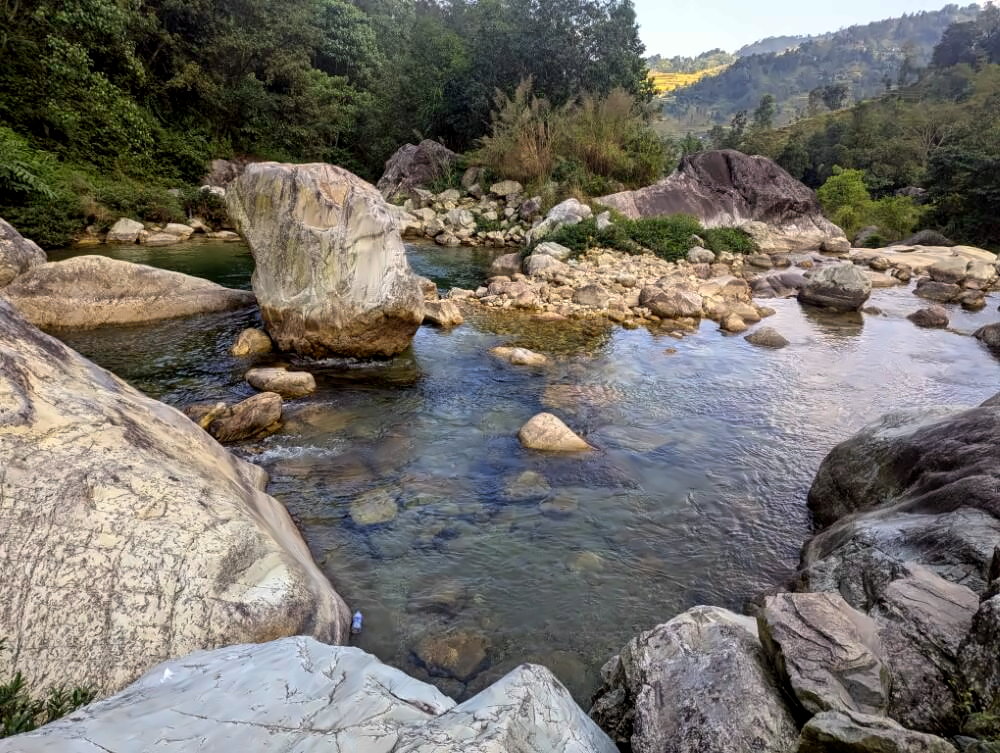
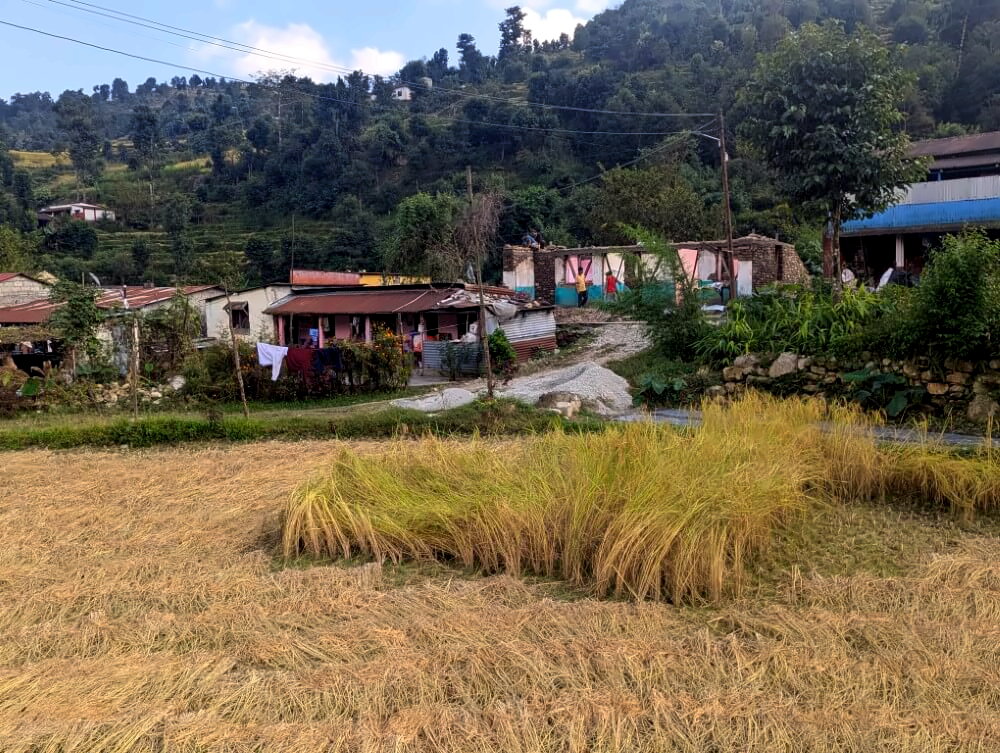
The ride starts right in Lakeside and takes you through beautiful rice fields, passing through Pame and on to Ghatichhina. From there, it gets steeper: if you’ve still got some energy left, you can continue uphill to a natural swimming pool that’s popular with locals. In Ghatichhina, you can cross the river via a suspension bridge and return along parts of the route on the opposite side. With a few stops, it’s about a four-hour ride – an excellent half-day trip.
Movie Night at Movie Garden
A true backpacker classic: the open-air cinema at the cozy Movie Garden. Tucked slightly uphill from the main road in northern Lakeside, this small outdoor theater screens different English-language films every evening. You can check the current schedule on Instagram.
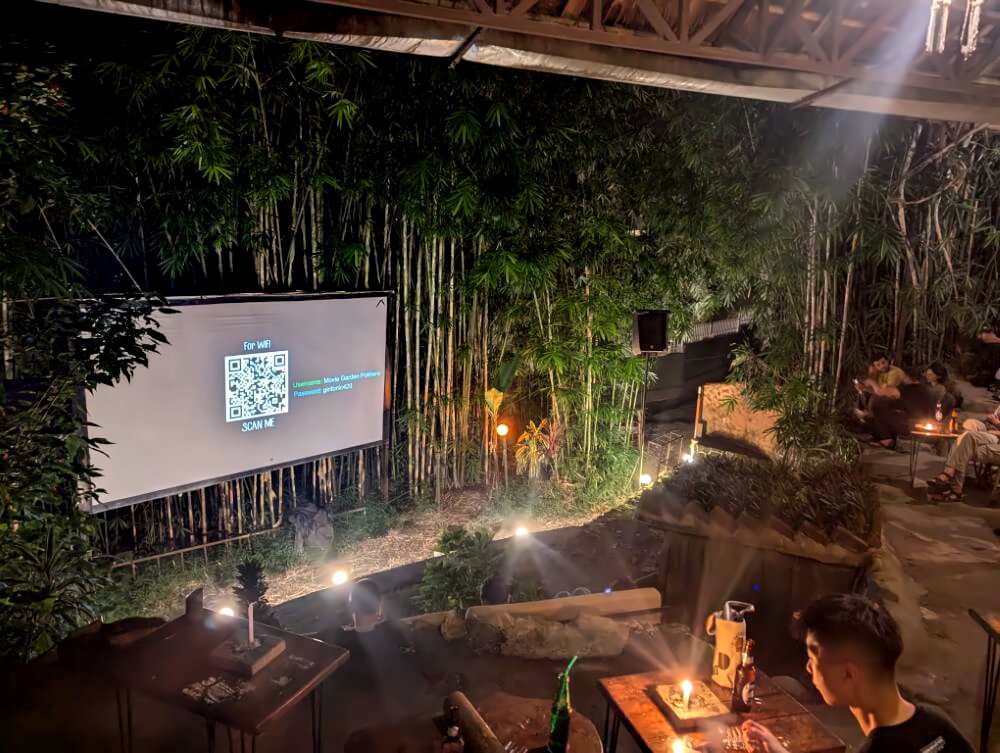
Screenings usually start around 7:00 pm, but I would advise to show up at least an hour early if you want a good seat. The Movie Garden is hugely popular and tends to fill up quickly. The entrance is signposted from the main Lakeside road, but a bit easy to miss – just head up the steps on the left after the Lake Vision Guesthouse. Also worth mentioning: the pizza is surprisingly good.
Pokhara Zipline
If you’re after a bit more adrenaline, the Pokhara Zipline is hard to beat. Stretching nearly 1,900 meters and dropping over 600 meters in elevation, it’s one of the longest and steepest ziplines in the world. The ride takes you from Sarangkot down into Seti Valley – you`ll enjoy sweeping views of the Annapurna peaks almost the entire way.
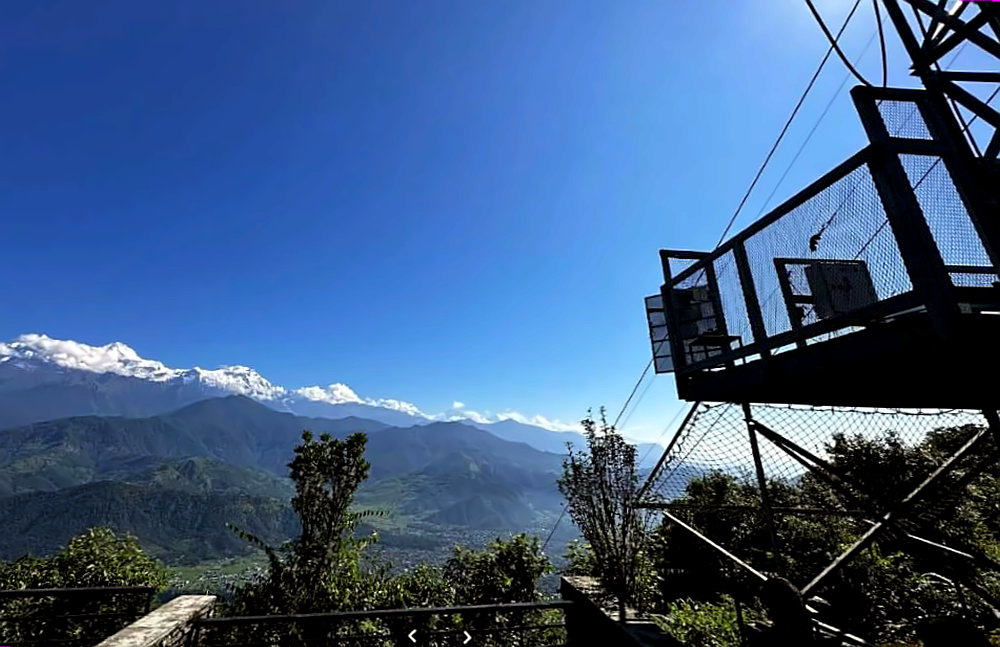
With speeds of over 100 km/h, this is definitely a bit more intense than paragliding. I didn’t have time to try it myself but it’s high on my list for the next time I’m in Pokhara. At 8,800 NPR (around $ 50), I’d say the price is fair -comparable ziplines elsewhere don’t come much cheaper, and none I know come with views like this.
Best Museums to Visit in Pokhara
Pokhara is not exactly known as a prime cultural hotspot. However, it actually has a surprisingly good selection of museums. These are three I found particularly worthwhile:
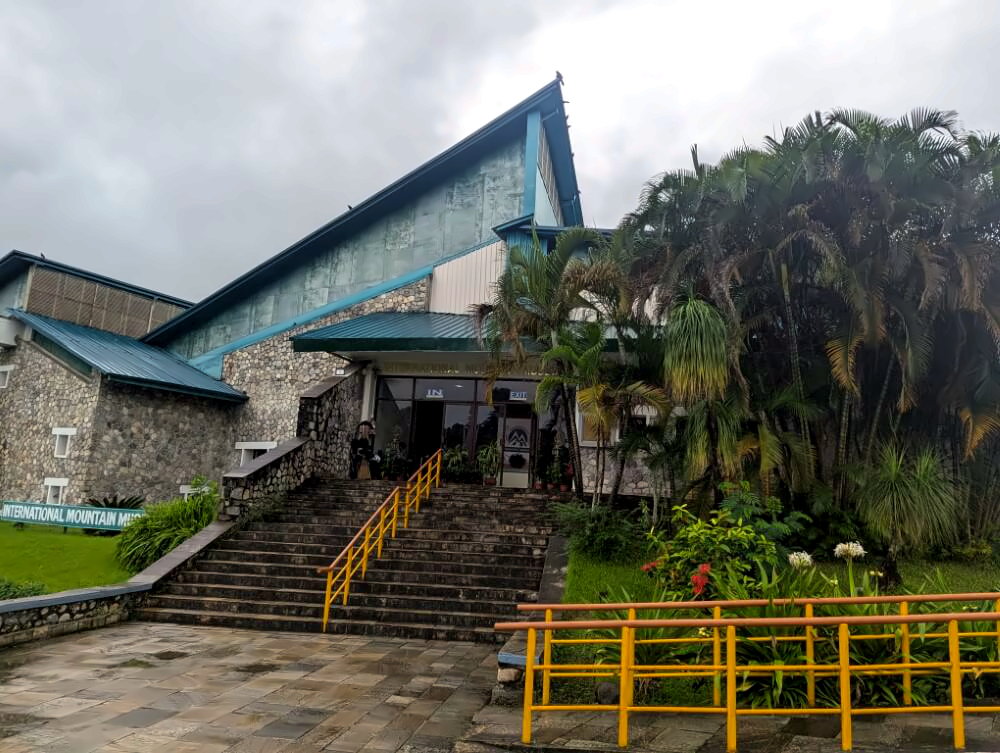
International Mountain Museum
The International Mountain Museum may have a slightly pompous-sounding name but the exhibitions inside are genuinely worth your time – especially if you’re interested in mountaineering, 8,000-meter peaks and the cultures of Himalayan communities. Alongside original gear from legendary expeditions, the museum features striking photography to portray life in the mountains and the challenges people face there.
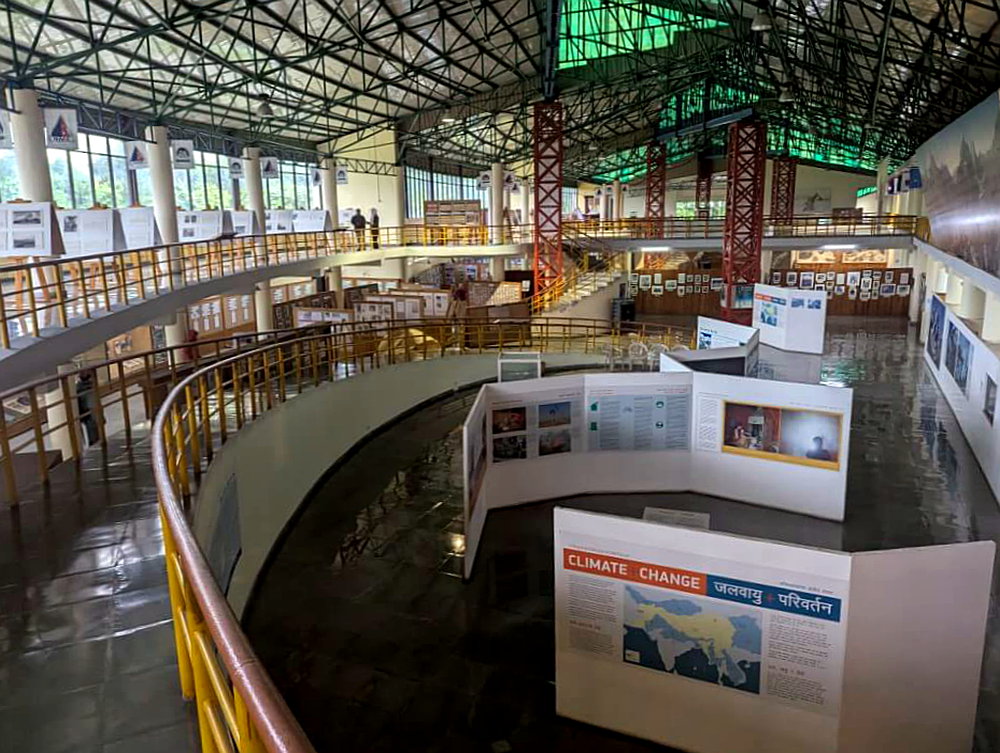
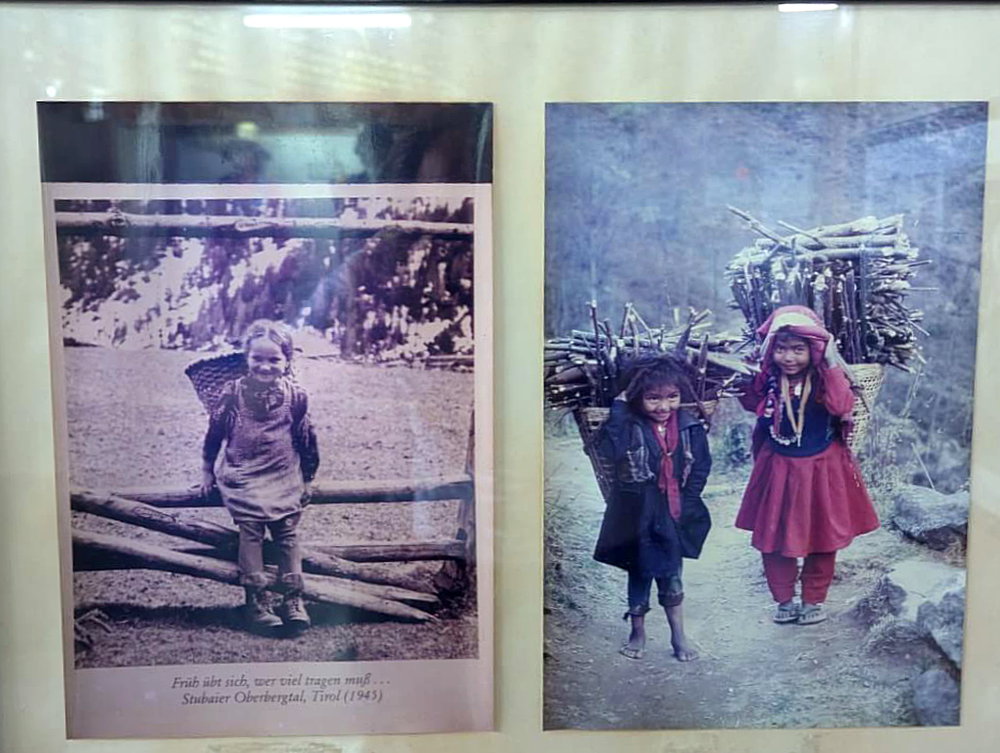
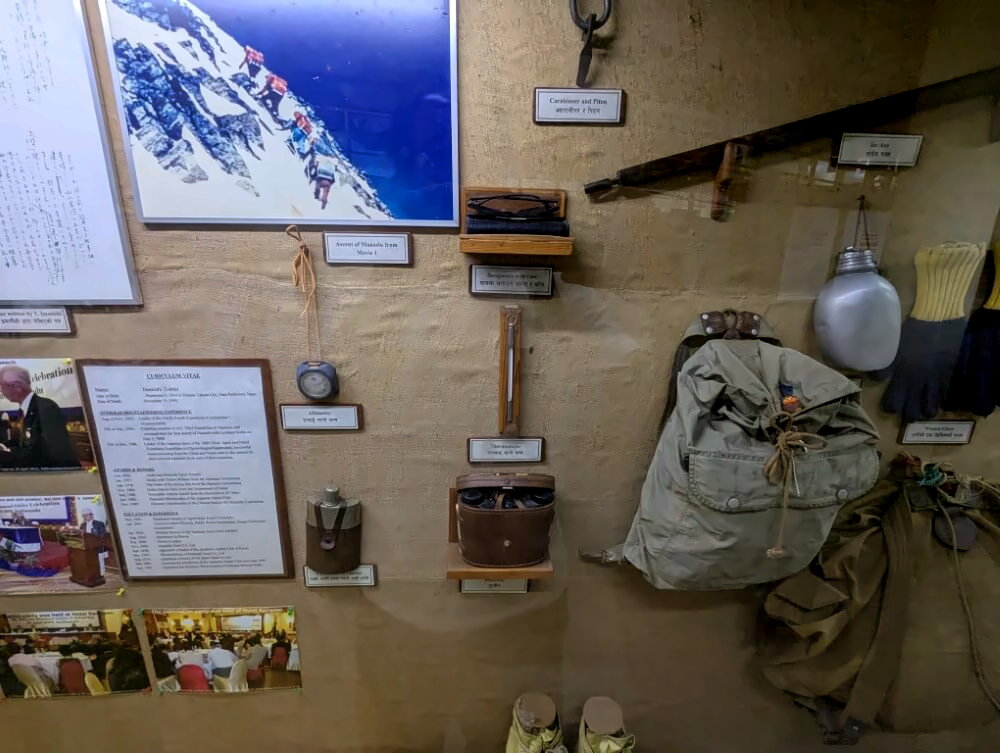
My personal highlight: the side-by-side photo comparisons of Himalayan communities and traditional farmers from Tyrol and other European mountain regions. It’s striking how, not even a century ago, life in many valleys of the Alps wasn’t all that different from what you still see in parts of the Himalayas today. For me, that was a real eye-opener – and a reminder that, despite all our differences, we have far more in common than we think.
Gurkha Memorial Museum
The Gurkha Memorial Museum offers a fascinating look into the history of Nepal’s legendary Gurkha soldiers. Widely regarded as some of the fiercest and bravest fighters in the world, Gurkhas have served in the British and Indian armies for over 200 years. Pokhara and the surrounding Gurung villages is one of the country’s main recruiting regions, so the connection between the city and the Gurkhas is particularly strong.
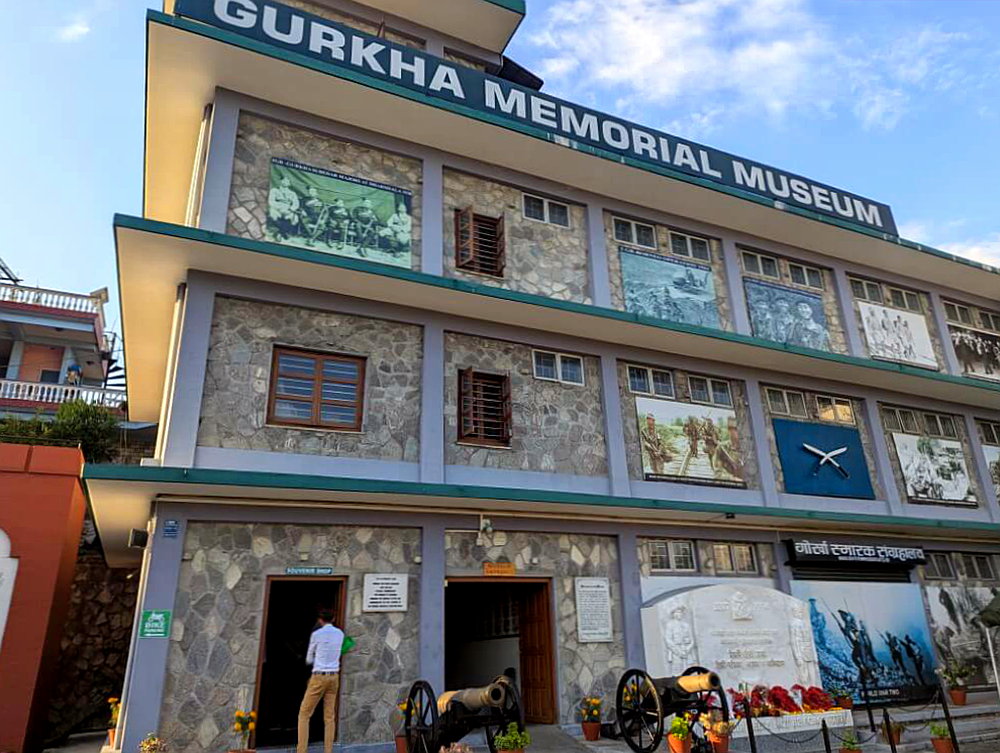
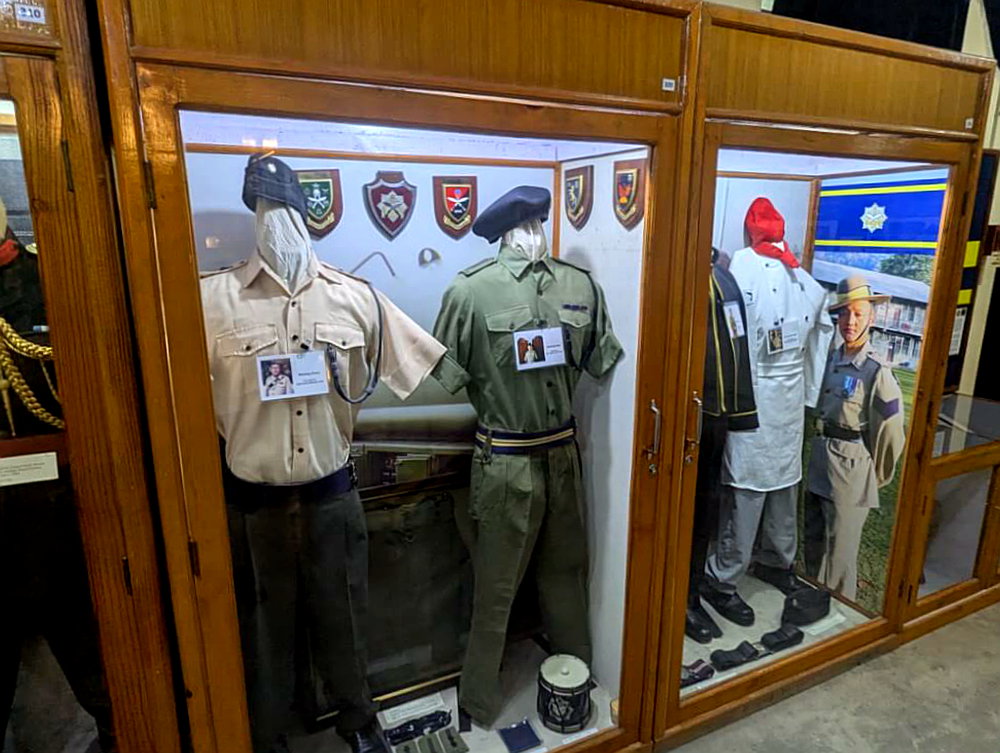
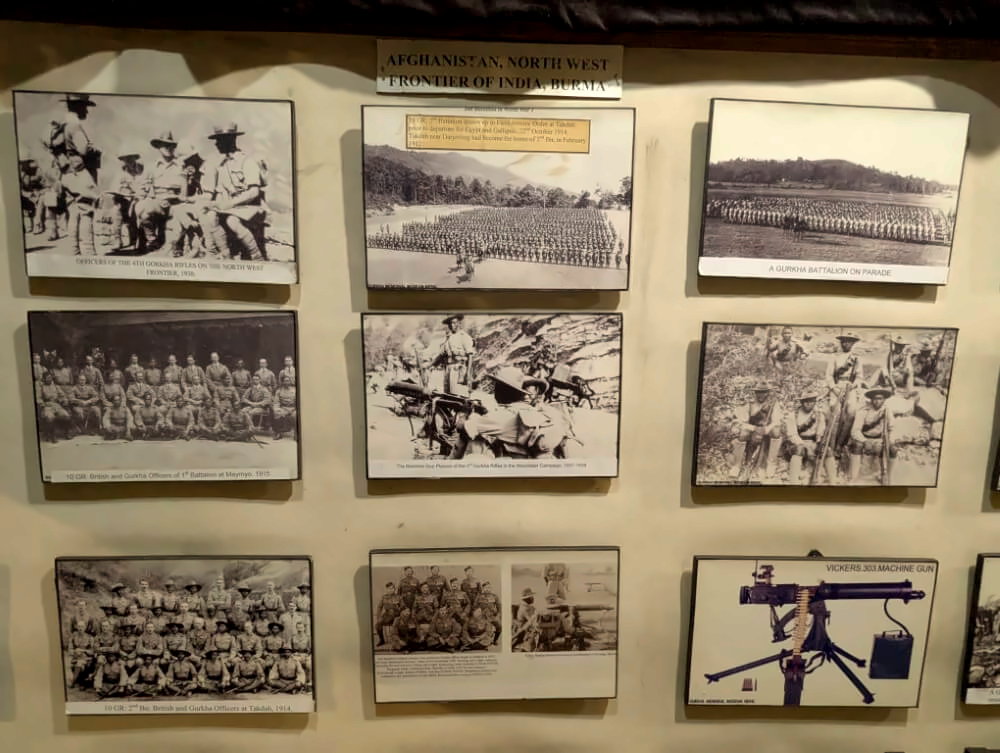
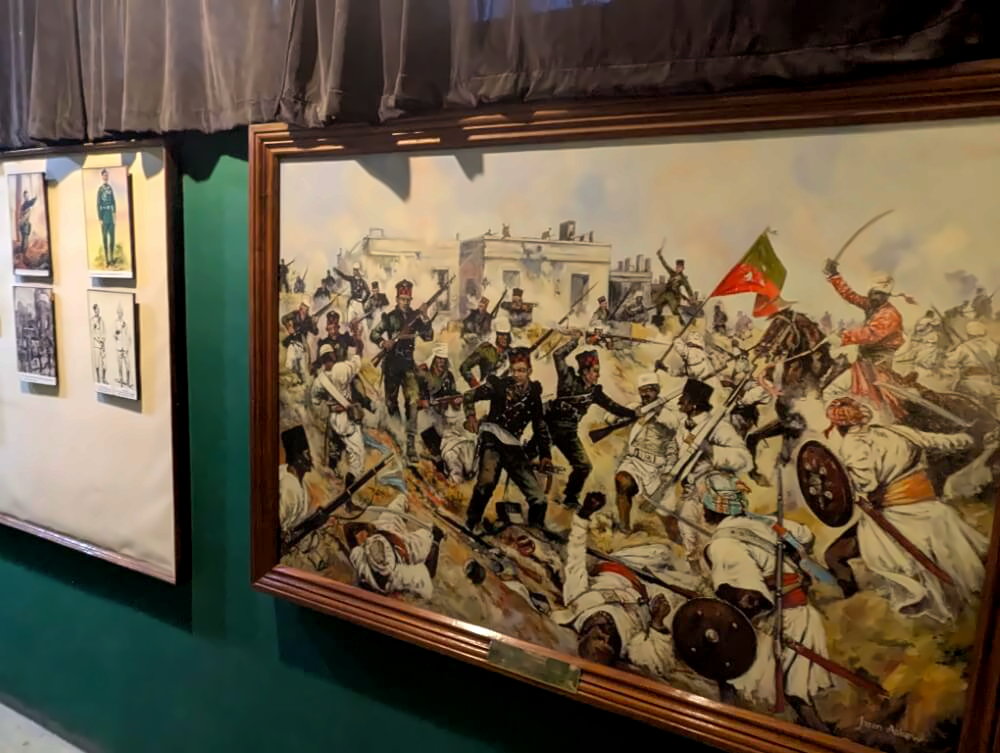
The museum spans three floors and is surprisingly comprehensive. It offers a detailed look at the Gurkhas’ history and their many deployments, from pivotal battles in World War II to modern NATO peacekeeping missions. I found it genuinely engaging even though military history isn’t usually my thing. But there are plenty of interesting stories and anecdotes there that you rarely hear about in Europe.
Gandaki Province Museum
The Gandaki Province Museum is a small but well-curated museum just north of Lakeside. Its four permanent exhibitions showcase traditional clothing, tools, and crafts of the Gurung and Magar communities living around Pokhara. What stood out most to me were the detailed dioramas depicting everyday life, e.g. traditional honey hunting, bringing these cultural practices vividly to life.
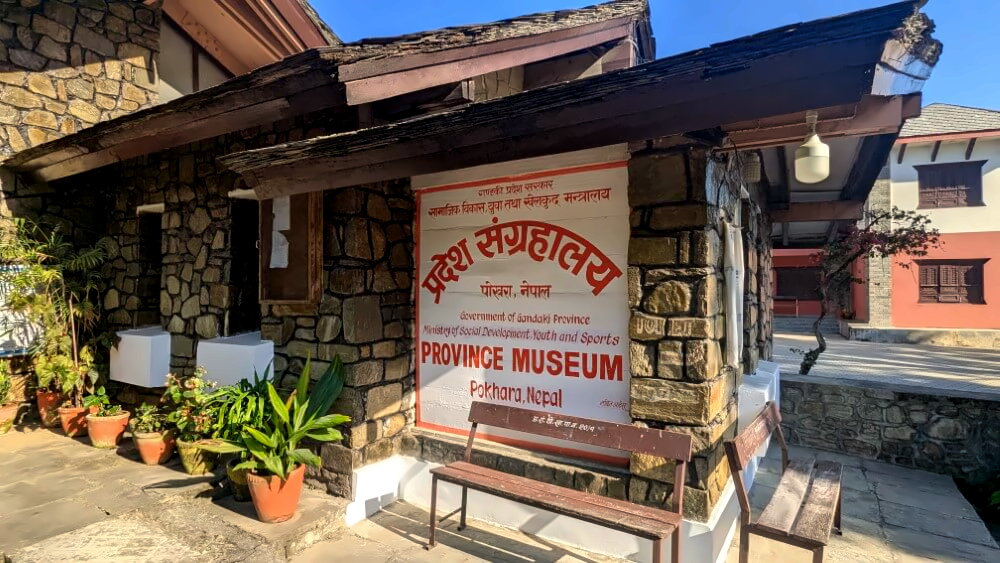
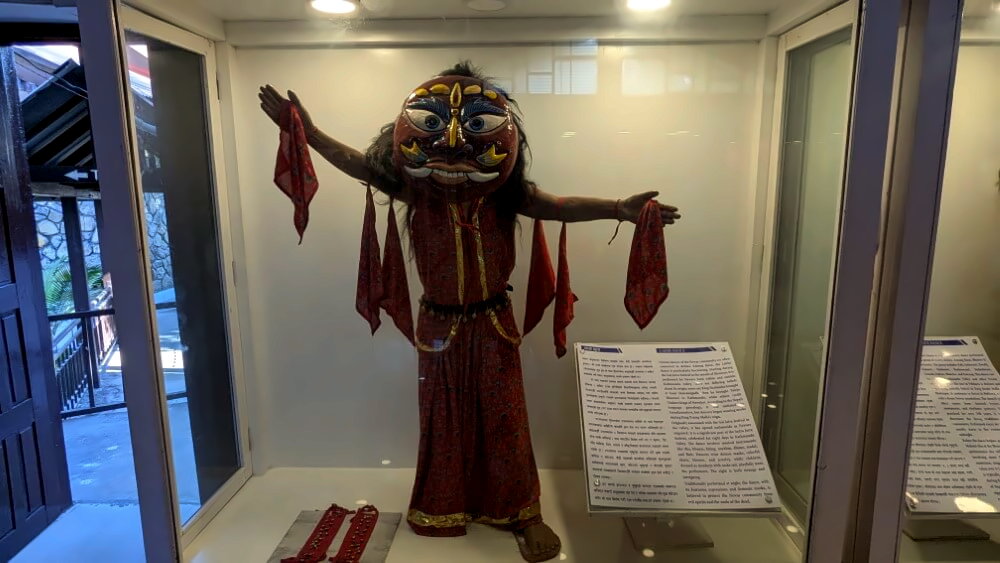
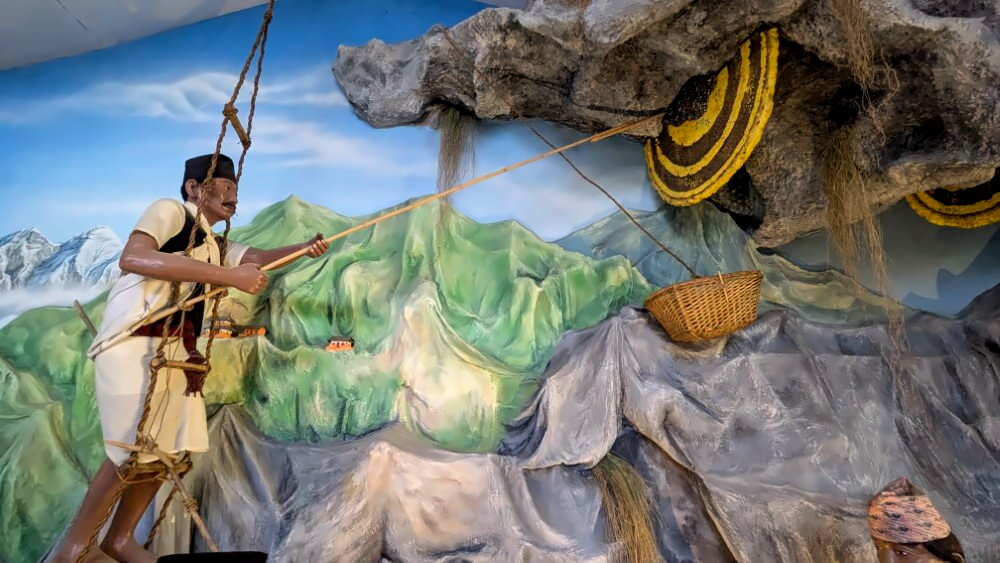
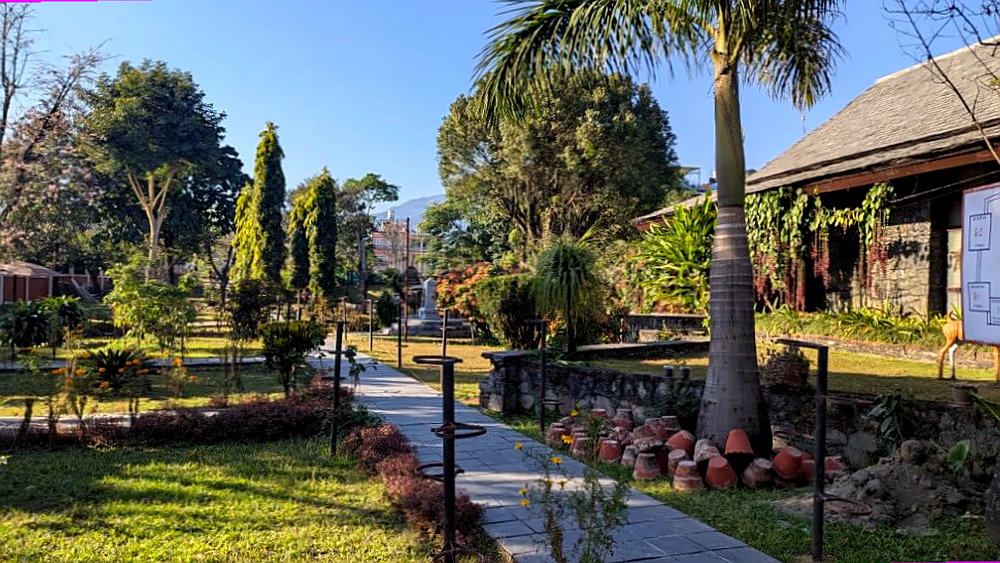
The museum isn’t particularly large – you can easily see everything in about an hour. Entry is just 100 NPR, interestingly, it felt a bit more modern than the International Mountain Museum. The outdoor area, with its small garden, is especially pleasant. All in all, it’s a worthwhile stop that offers some great insights into the region’s cultural heritage.
Discover more of Pokhara valley:
Best Day Trips around Pokhara
One of Pokhara’s biggest draws is its stunning surroundings. That makes it perfect for day trips, almost always with an impressive Himalayan backdrop. These are some of the places I found especially worthwhile:
Dhampus Hill
Dhampus Hill is an easy yet rewarding excursion from Pokhara – ideal if you want a taste of the Himalayas without committing to a full trek. The small mountain village sits at around 1,600 meters and already lies within the Annapurna Conservation Area. On a clear day you’ll be treated to sweeping views across the entire Annapurna range.
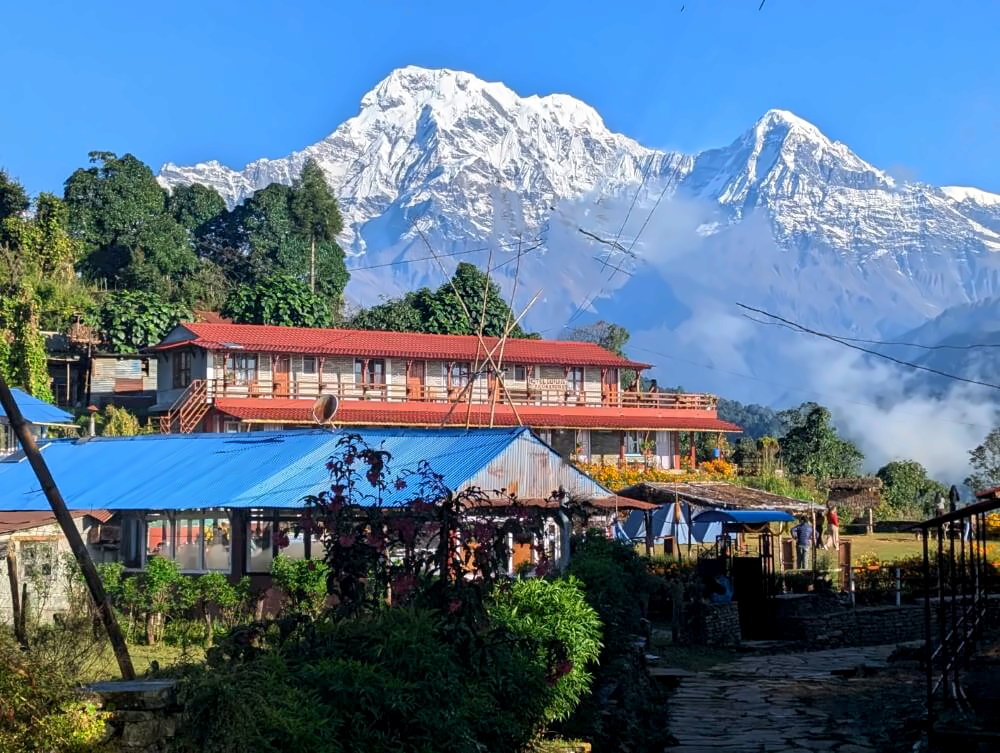
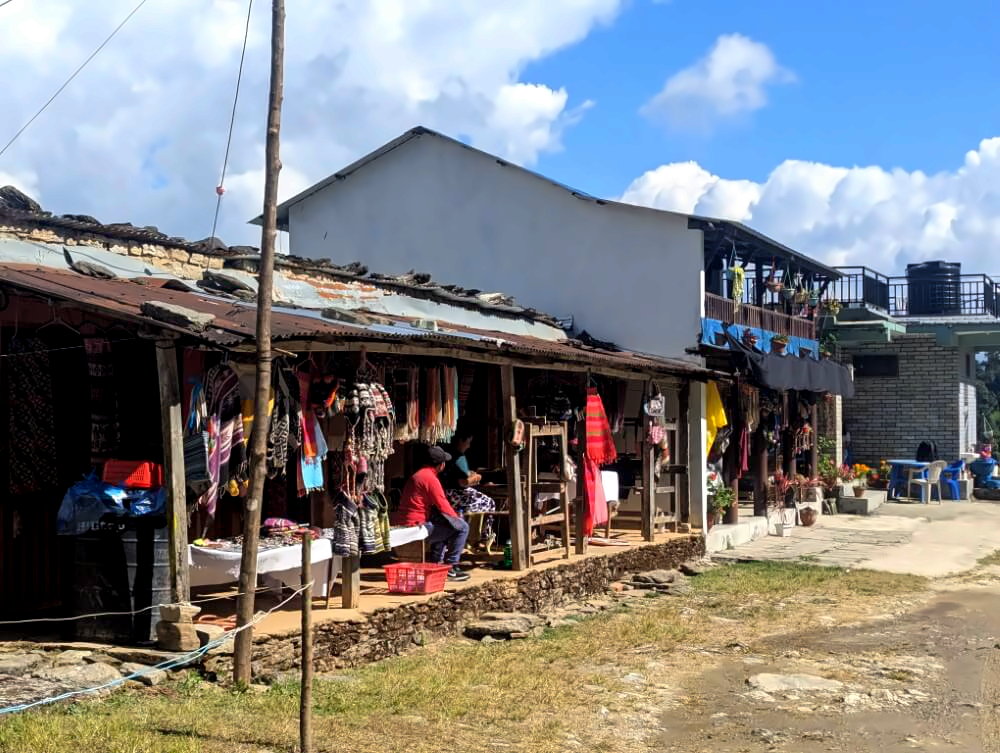
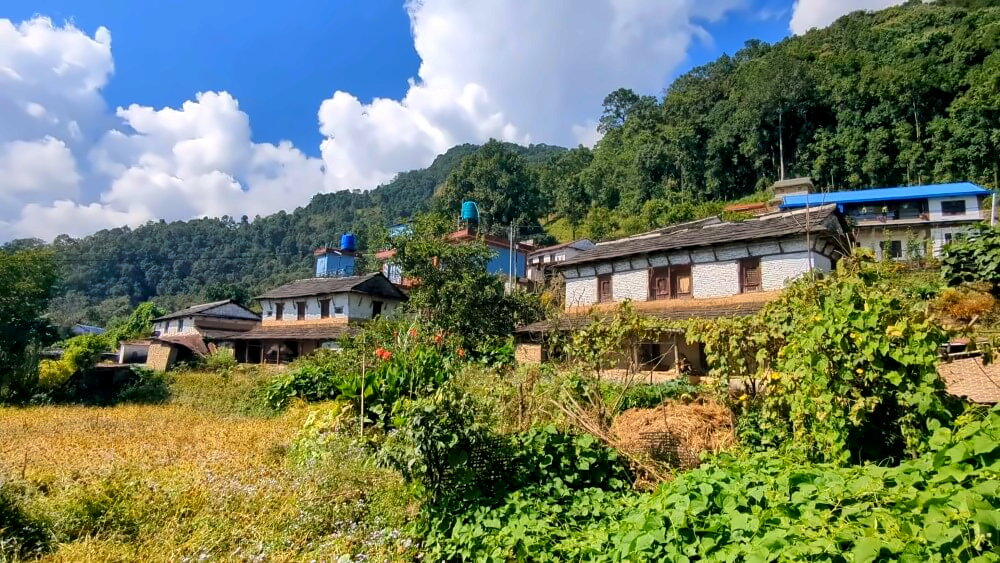
The good news: you don’t need a permit for Dhampus Hill. The classic route starts in Phedi along the Baglung Highway (about 30–40 minutes from Pokhara). From there, it’s roughly an hour’s walk up to the village itself. You’ll find lodges, cafés and even a small viewpoint tower at the top. If you’re keen to catch sunrise, staying overnight in Dhampus is a great option.
Lwang tea gardens
The village of Lwang in the lower Mardi Valley is known for two things: its tea—and its stunning green tea gardens set against the dramatic backdrop of Machapuchare (the iconic “Fishtail” peak). It’s one of the easiest places to enjoy close-up views of the mountain’s southern face without much effort. There are several homestays if you want to spend the night but thanks to easy access, Lwang also works perfectly as a half-day or full-day trip. By taxi, it’s only about 30 minutes from Pokhara.
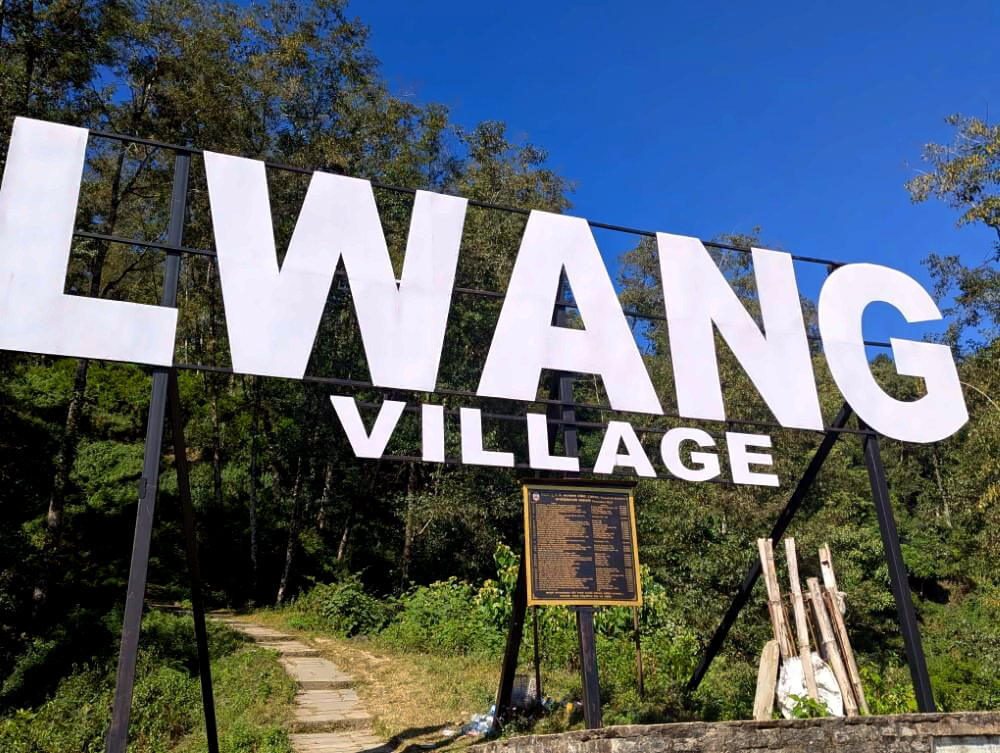
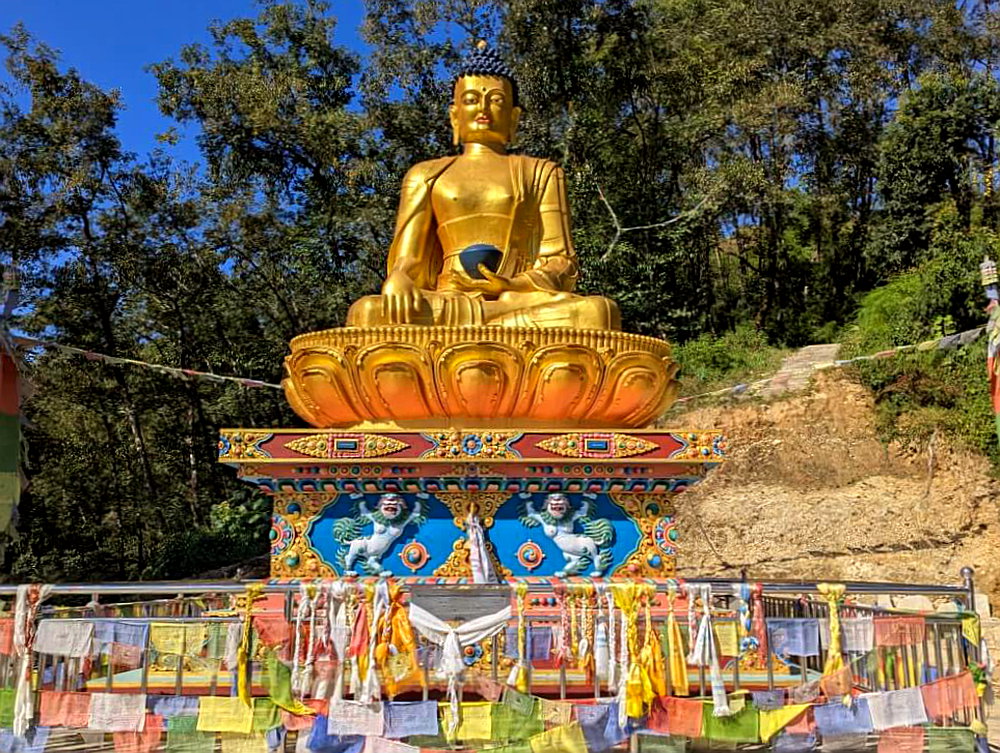
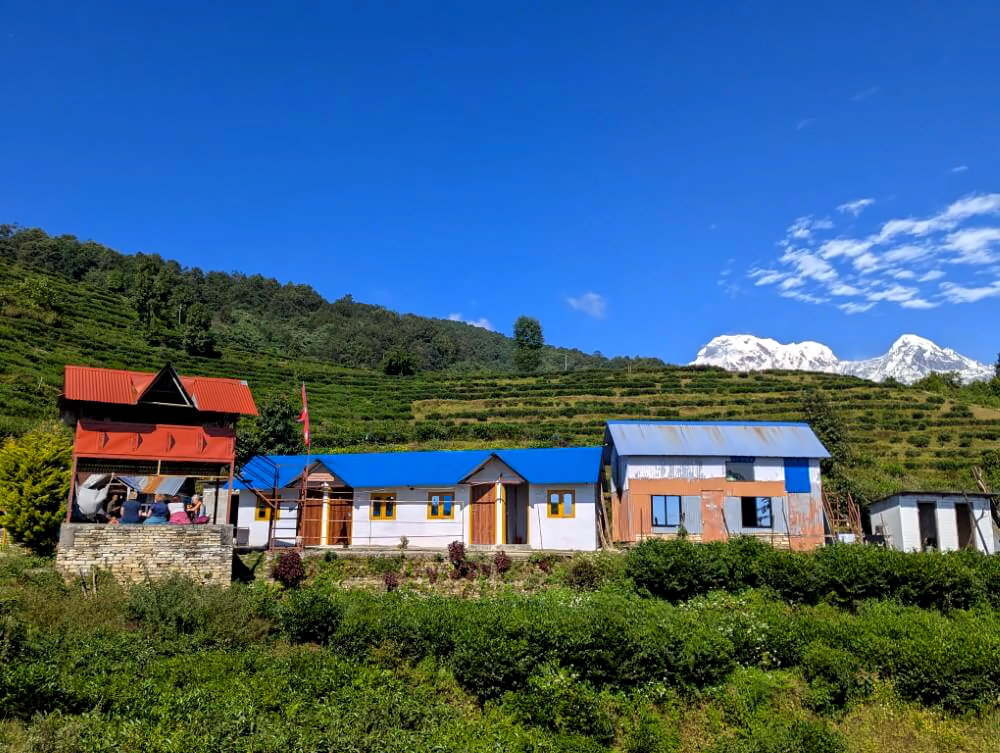
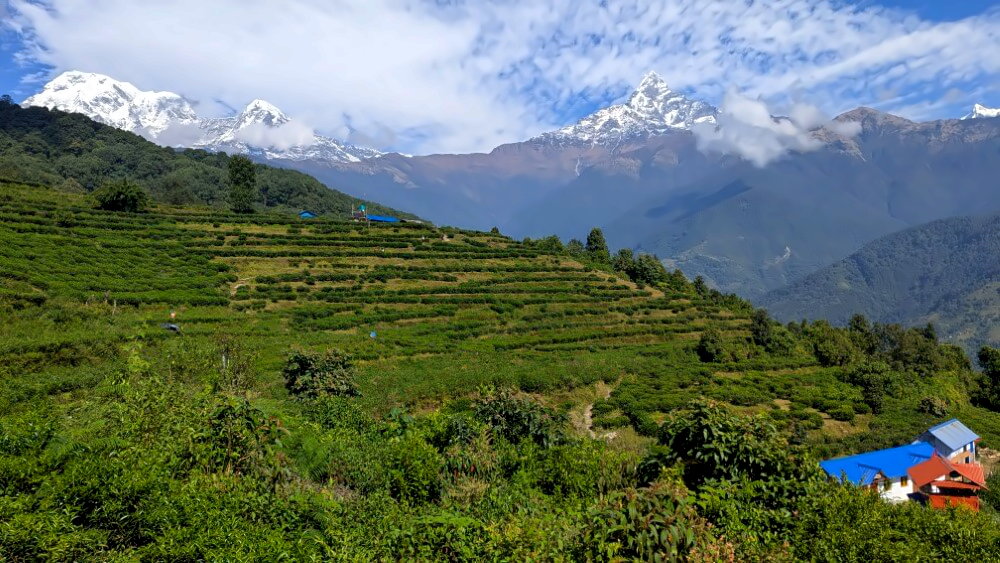
To get to Lwang, it’s best to head to Khora Muk first. From there, a well-maintained footpath leads to the village in about 45 minutes. Another 20-minute climb up a series of stone steps brings you to the actual tea gardens. If you’ve got more time, you can continue hiking from Lwang to Lumre and catch a bus back from there. Lwang also works as an alternative starting point for the Mardi Himal Trek – the trail begins right in the tea gardens.
Panchase Hill
At 2,517 meters, Panchase Hill is the highest hill in the Pokhara Valley – accordingly, the mountain views from up there are nothing short of spectacular. On a clear day, you can even see Dhaulagiri, one of the world’s 8,000-meter peaks, in all its glory. Despite that, Panchase remains largely off the radar for Western travelers, especially compared to more famous viewpoints like Poon Hill. That makes it a perfect choice if you’re looking to escape the crowds and enjoy the Himalayas in peace.
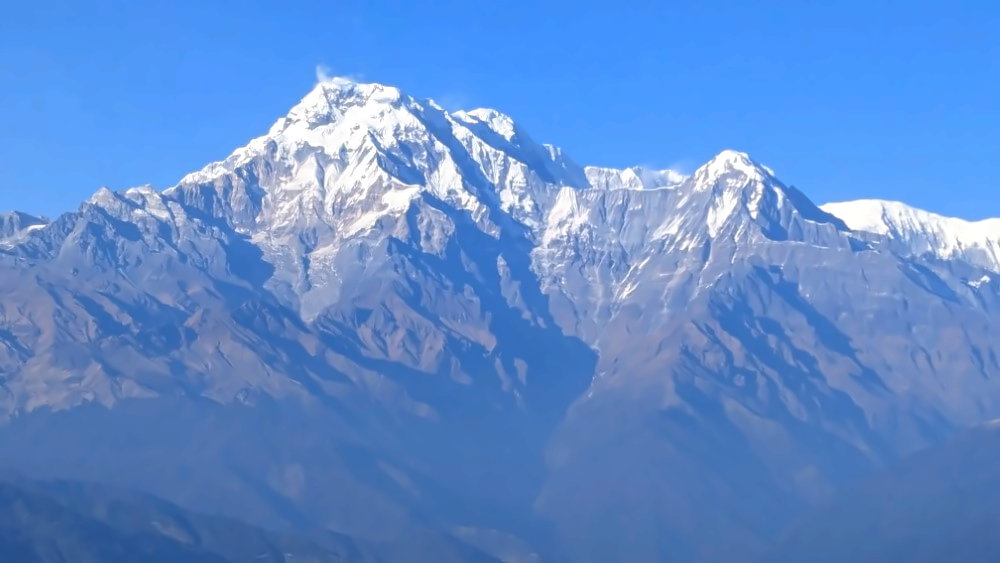
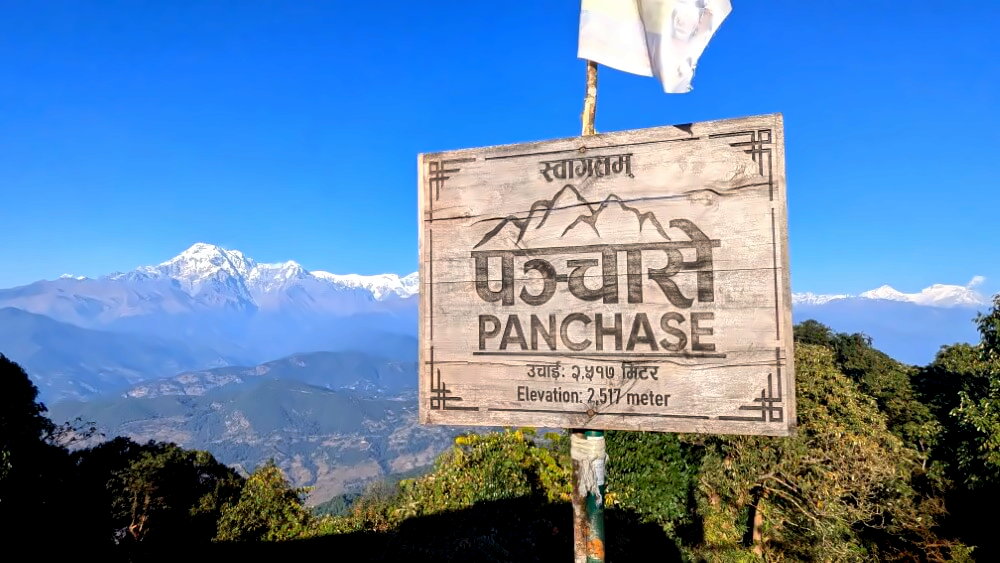
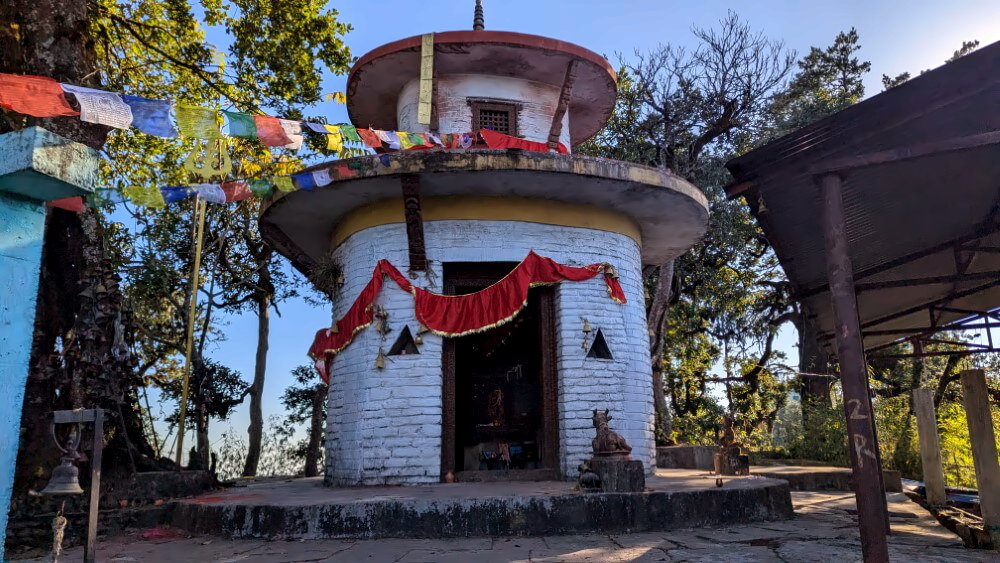
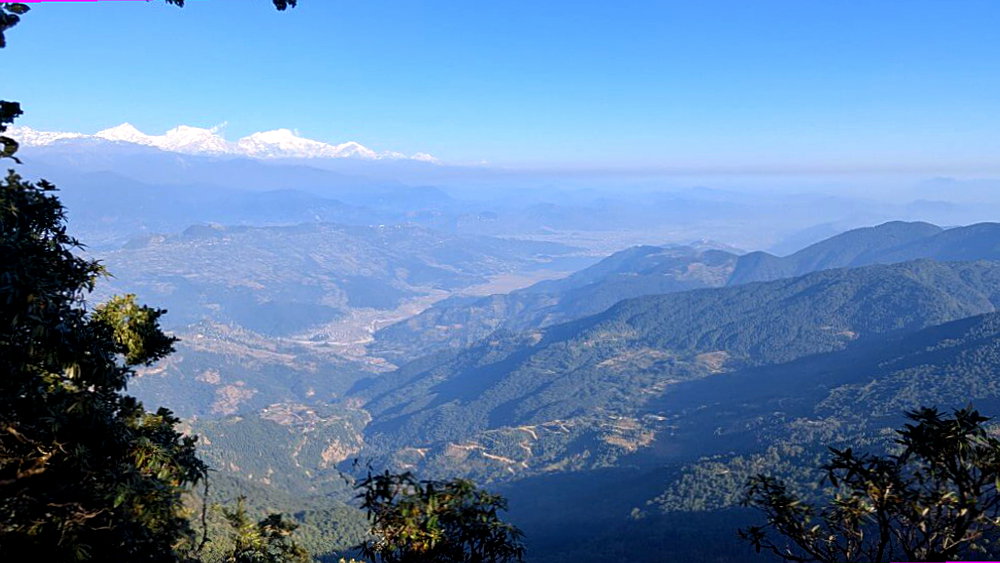
The summit is best reached from the nearby village of Bhadaure (about an hour from Pokhara). From there, it’s a fairly steep 3–4 hour climb to the top. While Panchase Hill can be done as a long day trip, it’s much more enjoyable with an overnight stay – either in Bhadaure or in the beautifully secluded village of Panchase Bhanjyang at the foot of the mountain (highly recommended: Panchase Paradise Camp). Panchase Hill is also part of the excellent Panchase Panorama Trek, arguably the best short trek in the Pokhara Valley.
Sikles Village
Sikles is one of the largest and most picturesque Gurung villages in the Annapurna region. With its terraced layout it looks a lot like more famous Ghandruk – but Sikles feels more traditional and sees virtually no Western tourists. Among Nepali visitors, however, it’s quite popular. Many come here for the stunning views of Lamjung Himal and Annapurna II and to experience authentic village life in the mountains.
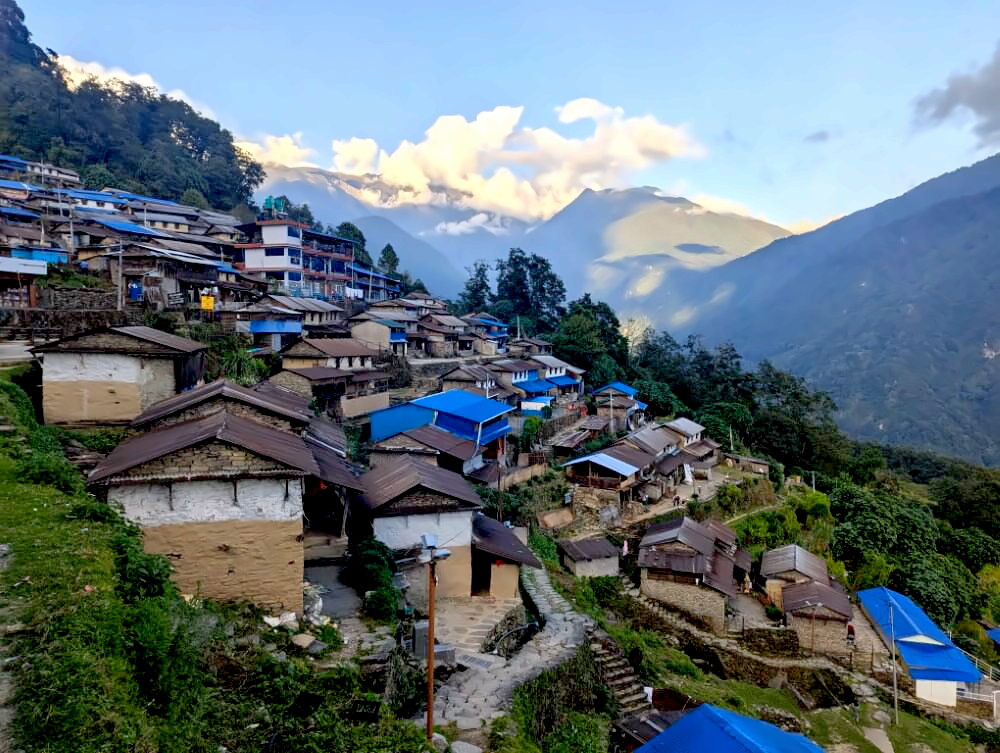
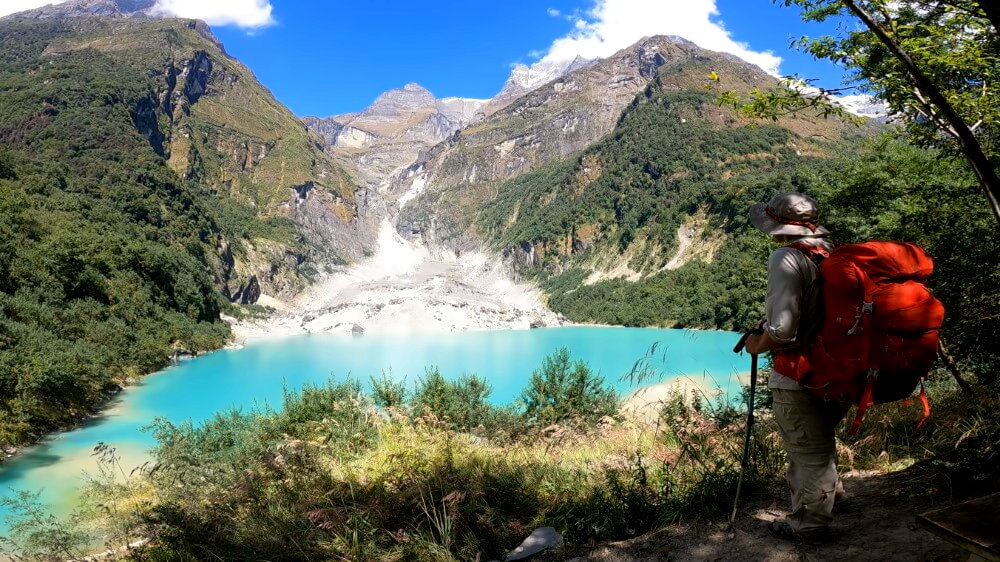
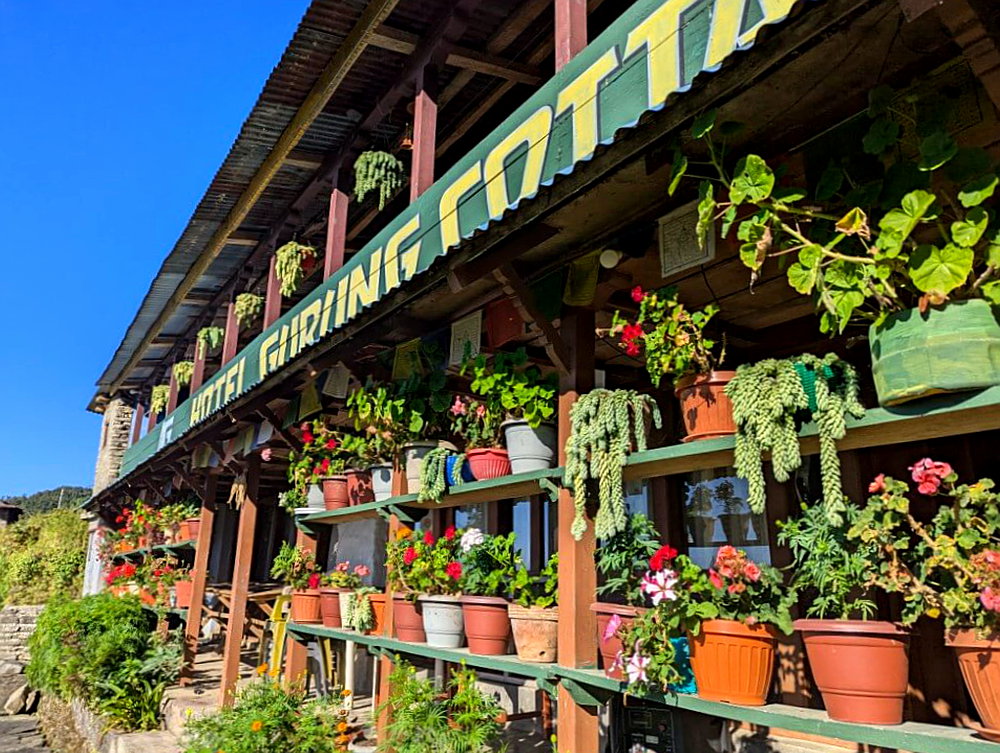
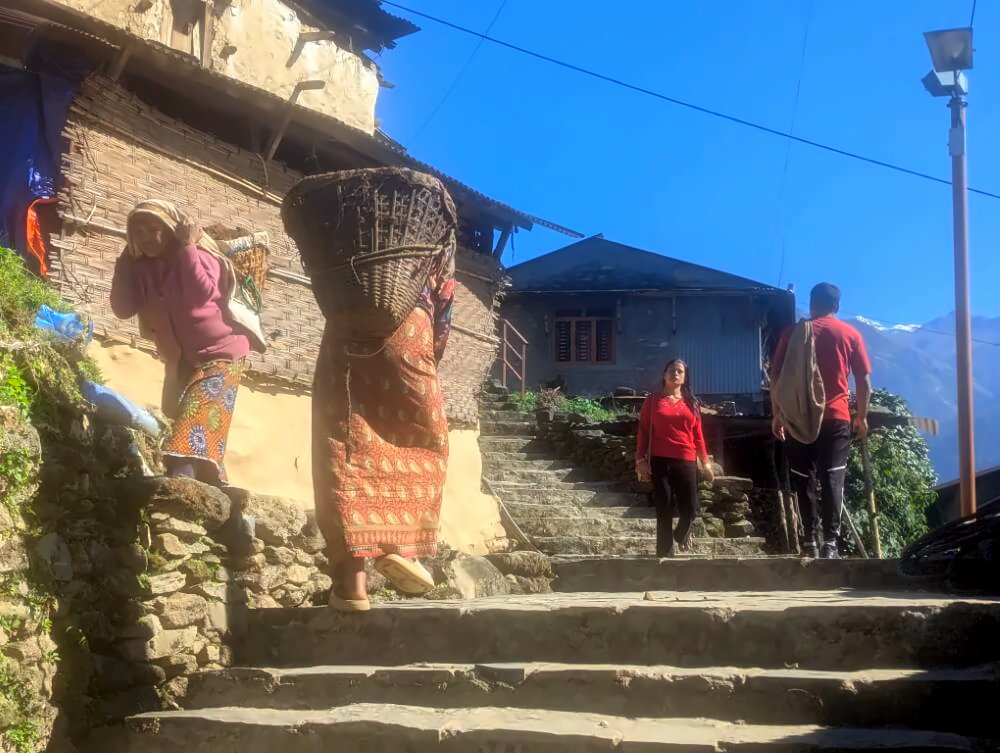
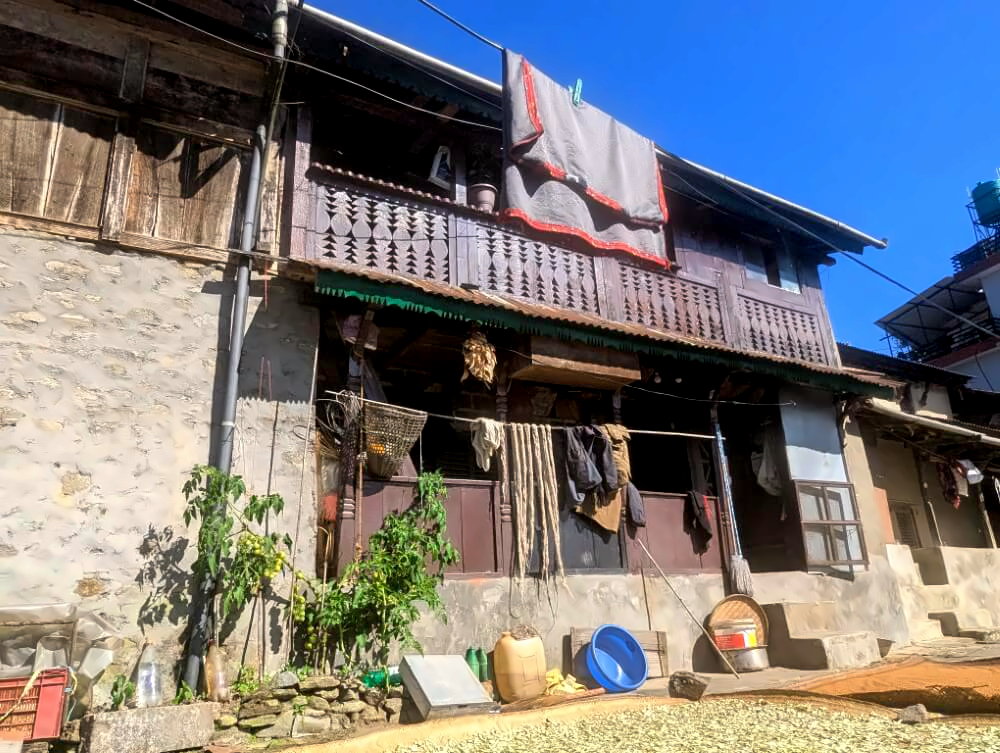
Getting there from Pokhara takes around 2-3 hours by taxi, a bit longer by bus – so it’s doable as a long day trip. That said, Sikles now has a good number of homestays and staying overnight is well worth it (recommendation: The Highlanders’ Inn, book ahead in peak season). From Sikles, the Sikles Trek continues in about a day to the strikingly turquoise Kapuche Lake, the lowest and one of the most beautiful glacial lakes in Nepal.
Camping at Tara Hill Top
Tara Hill Top, at just under 3,000 meters, is one of the best viewpoints around Pokhara and a true hidden gem. The Himalayan views are absolutely incredible, and you can even spend the night right at the top. There’s a small campsite where you can rent tents and sleeping bags. Think of it as something like Poon Hill – just with infinitely better views, no crowds at all and at sunrise you don’t even need to leave your sleeping bag.


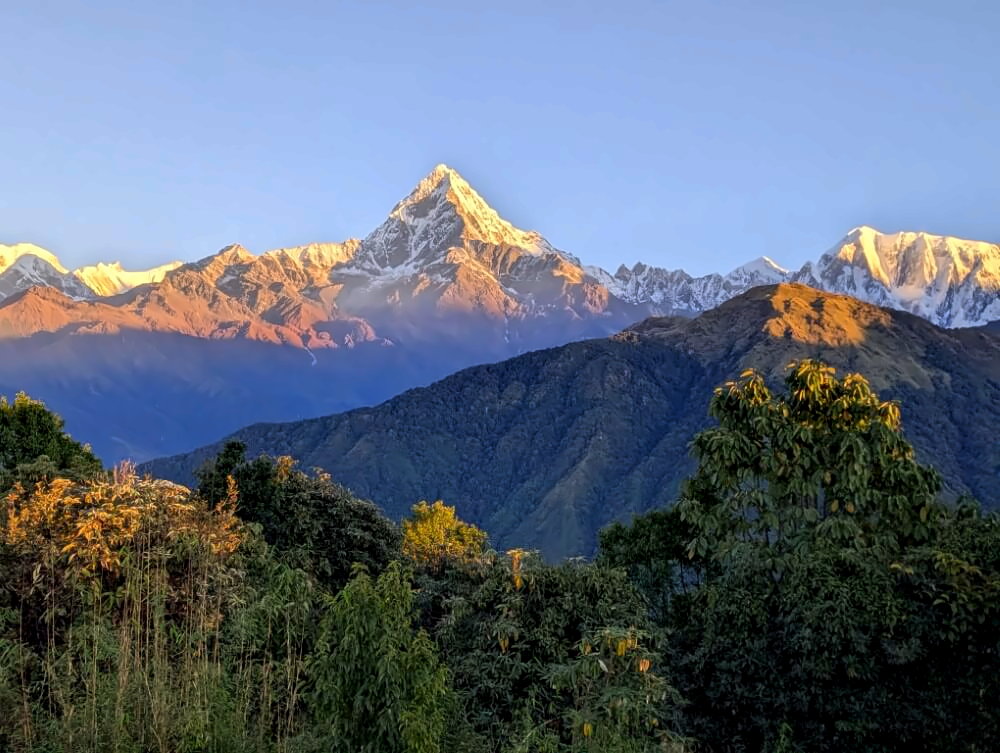
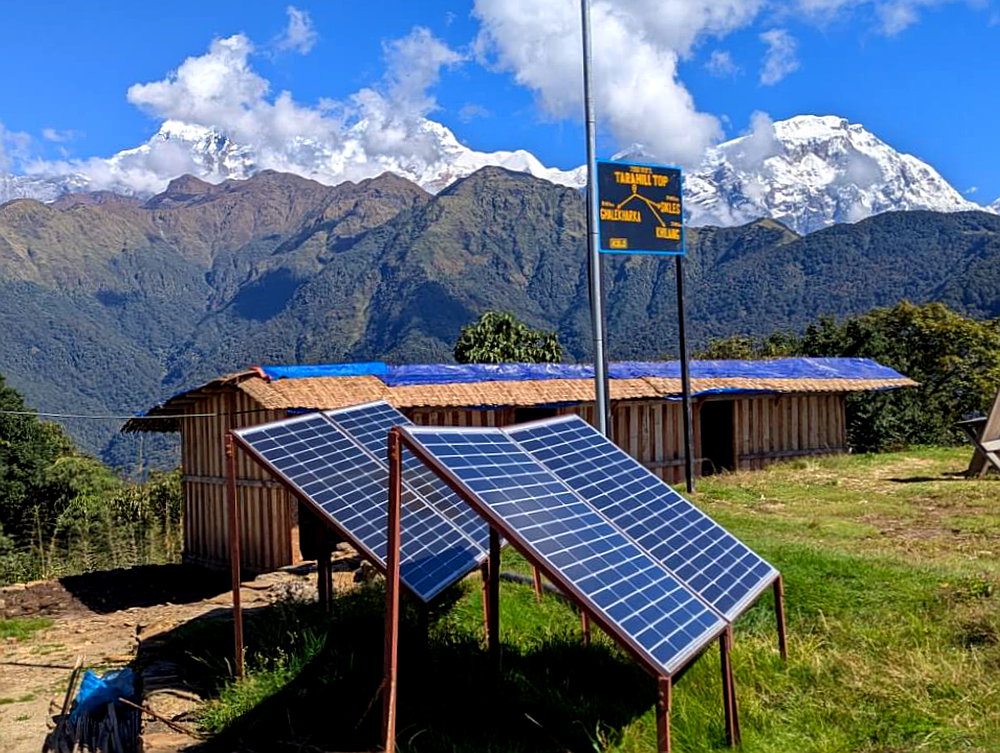
To reach Tara Hill Top, you can take a bus or taxi to Bhurjung Khola and then follow the dirt road for about an hour up to Ghale Kharka. From there, the actual trail to the summit begins – it`s around five hours in total, with some fairly steep sections along the way. If you want to stay overnight, it’s best to reserve a tent in advance via 3 Sisters Homestay (+977 981 610 6609, WhatsApp) – the same people run the campsite at the top. Tara Hill is also part of the highly recommended Sikles Trek.
All treks and hikes mentioned in this article will be covered in full detail in separate blog posts coming soon.

Where to Stay in Pokhara
As mentioned earlier, Lakeside is the main tourist hub and by far the best area to stay. It’s the most scenic (right by the lake), and you’ll have cafés, restaurants, and shops right on your doorstep.
Over the course of two months, I stayed in several different places. These three stood out in particular:
💰💰💰 High-End
I treated myself to this one for my first two nights: spacious rooms with balcony, TV, and air conditioning. The garden areawith swimming-pool is beautiful and considering the quality, the price is actually quite reasonable.
💰💰 Mid-range
A cozy and affordable hotel with a lovely large garden, set slightly away from the main road in the quieter southern part of Lakeside. The hosts are incredibly friendly — perfect if you’re after a more relaxed atmosphere.
💰 Budget
A fantastic location on a hill above northern Lakeside. It’s more basic (shared bathrooms), but the rooms are clean and well-kept and the rooftop terrace with lake views is a stunner. The owner, Sushil, also offers paragliding. Big thanks to Daniel from So weit uns die Füße tragen for sharing!
Check out more accomodations here:
Getting to and around Pokhara
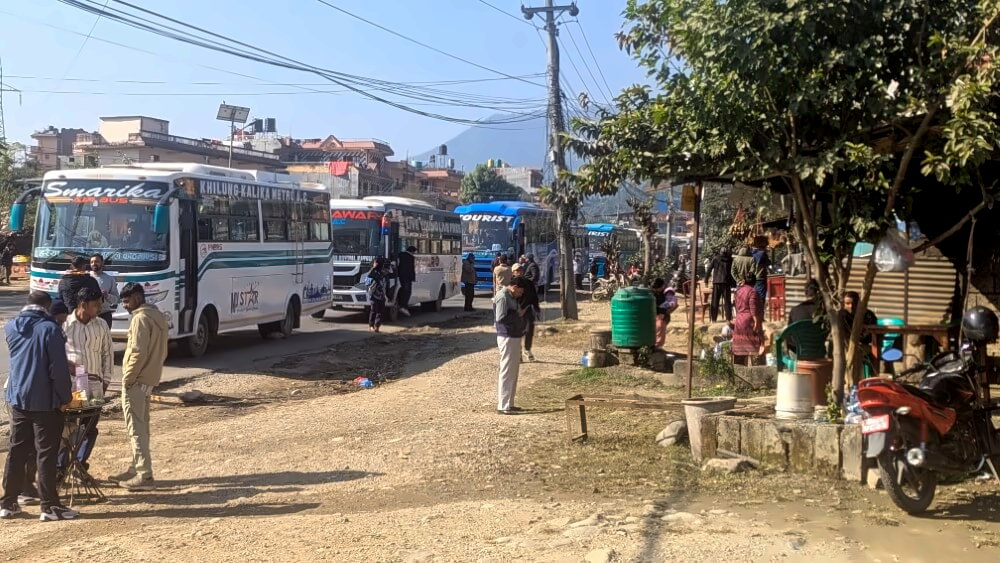
Getting to Pokhara is fairly straightforward. The city is well connected to Kathmandu via the Prithvi Highway which is arguably the best road in all of Nepal. The easiest option is to take a tourist bus.
If you’re planning the journey independently, here’s how it works:
- 🔎 Search for connections from Kathmandu to Pokhara via Bussewa (you’ll need a credit card for online booking).
- 🚍 Choose your bus: “Luxury” or “Sofa Bus” is worth the small extra cost for a much more comfortable ride.
- ⏰ Buses usually depart around 7:00 am from Sorhakhutte, about a 5–10 minute walk from Thamel.
The journey takes around 8–10 hours, depending on road conditions and traffic. The critical section is usually Chandragiri Pass where you leave Kathmandu Valley – traffic jams are rather common at this place and I’ve personally been stuck there for up to three hours without anything moving. During and shortly after monsoon season, the road is also affected by landslides and mudslides which will almost certainly cause further delays.
Getting around Pokhara
Lakeside is compact enough to explore entirely on foot. For anything beyond that, I mostly relied on taxis. Fares within the city usually range between 500–800 NPR, depending on the distance – that’s still very affordable compared to Western standards. Motorbike taxis are even cheaper (just make sure to wear a helmet).
If you want to get around by bus, there are two main bus stations in Pokhara:
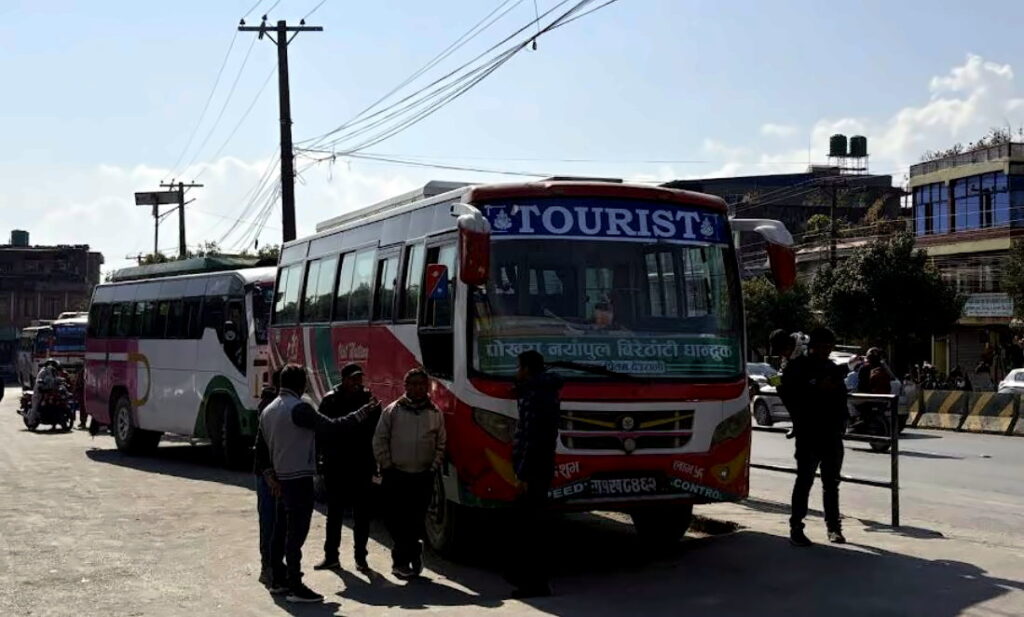
Tourist Bus Park is the main hub for longer-distance travel between major cities. This is where the “tourist buses” depart – for example to Kathmandu, Chitwan National Park, or Lumbini. These buses are more comfortable, run on fixed schedules and tickets can be booked online or through agencies in Lakeside. If you’re arriving in or leaving Pokhara by bus, chances are you’ll pass through here.
Baglung Bus Park on the other hand is the central hub for local buses heading into the surrounding villages and hills – such as Phedi (the starting point for Dhampus), Nayapul, and other trekking access points. There’s not much in the way of schedules and the system feels a bit chaotic. However, it works – the easiest approach is to simply show up and wait until a bus fills up. In my experience, I never had to wait more than about 30 minutes. Fares are very small.
Getting around the Pokhara Region
For day trips into the surrounding areas (like Lwang or Dhampus), this is the approach that worked best for me:
- 🚕 Start early and take a taxi out (around 1,500–2,000 NPR).
- 🚌 In the afternoon catch a local bus back.
Even in smaller villages buses usually run until at least sunset. So getting back to Pokhara is rarely an issue. Hitchhiking also works rather well in Nepal.
Also worth mentioning: Pokhara has an airport, Pokhara International Airport (which actually only serves domestic carriers). Flights from Kathmandu take around 30 minutes. I haven’t used it myself, though – partly because there have been occasional accidents in the past which makes me a bit cautious.
Culinary Highlights: Where to Eat in Pokhara
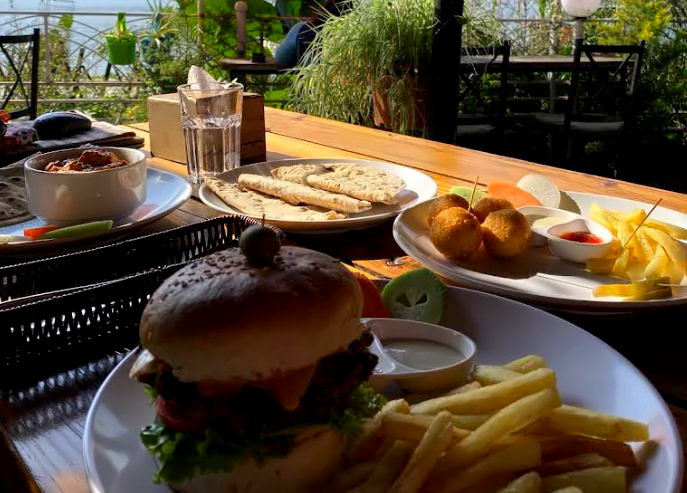
Pokhara is Nepal’s tourism hub, so it’s no surprise that the food scene is excellent. In Lakeside, you’ll find just about everything: Nepali, Thai, Italian, Indian, veggie, steaks – whatever you’re in the mood for, it’s there.
Here are a few spots I can personally recommend:
- 🍛 Silk Road Restaurant and Bar: My go-to place, I ate here more than anywhere else. Affordable, a lovely garden for outdoor seating, great food, and friendly staff. Hard to beat.
- 🥗 Flying Spirit Organic Kitchen: A fantastic and very affordable option, especially for veggies. Many ingredients come straight from their own garden.
- 🇮🇹 Caffe Concerto: If you’re craving Italian – nice setting, good pizza, and a great location right on the lakeside promenade.
- ☕ Coffee Break: My favorite breakfast spot. A bit pricier, but the selection is great and the lake views from the garden are unbeatable.
- 🍹 Laker’s Tiki Bar:Great atmosphere with a strong reggae/hippie vibe, sometimes with live music. Food is average though – better for drinks and hanging out.
- 🇫🇷 French Creperie: Small and cozy, with genuinely excellent crêpes.
- 🥐 Wheat to Sweet Bakery: Tiny bakery but with outstanding pastries -perfect for grabbing snacks before a day trip.
Useful Shops in Lakeside
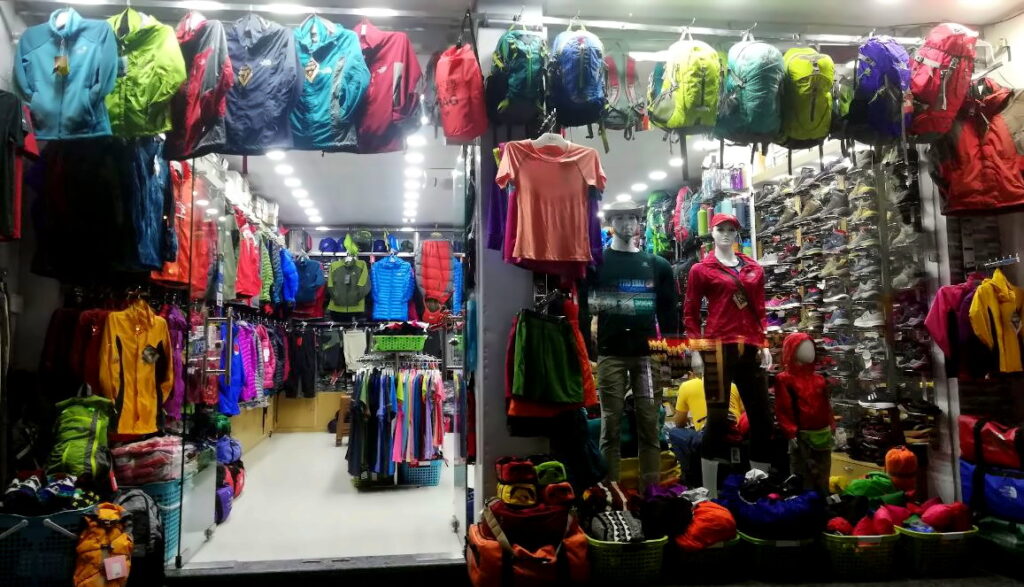
Lakeside is heavily geared toward tourism. Alongside the usual trekking stores, you’ll also find countless souvenir shops selling singing bowls, thangka paintings and overpriced pashmina scarves. For souvenirs, Kathmandu generally offers better variety and value.
That said, these are a few places in Lakeside I actually found useful:
- 📱 Best Buy Pokhara: Great for phone accessories – charging cables, power banks and SIM cards. The staff will even help you get everything set up.
- 🛒 Khetbari Supermarket: A well-stocked supermarket geared toward travelers, with Western food and plenty of snacks and supplies for treks.
- 💊 Lake Pharmacy: The best pharmacy in Lakeside. Whether it’s basic meds, contact lens solution or Diamox for altitude sickness – you’ll find it here.
- 🎒 Sunrise Trekking Equipment: A solid budget option for trekking gear. I picked up microspikes and an Osprey backpack here. Of course, the branded items are knock-offs but they’ll do the job for a few treks. Rentals are available, too.
- 🚵♂️ Nepal MTB Adventures: Primarily a tour operator but you can also rent quality mountain bikes here. Not the cheapest but probably the best-maintained. Staff are happy to share route tips.
- 🗺️ Books Mandala: The best bookstore in Lakeside – well curated, with a huge selection of English-language titles, including plenty on the Himalayas. You can also pick up maps for all major (and minor) treks.
Money, banks & paying in Pokhara
In Pokhara you can pay by card in many places, especially in restaurants, cafés, and hotels around Lakeside. Still, it’s a good idea to carry enough cash with you at all times. Smaller shops, local buses, taxis, and entrance fees are almost always cash-only, so having some Nepalese rupees on hand will save you a lot of hassle.
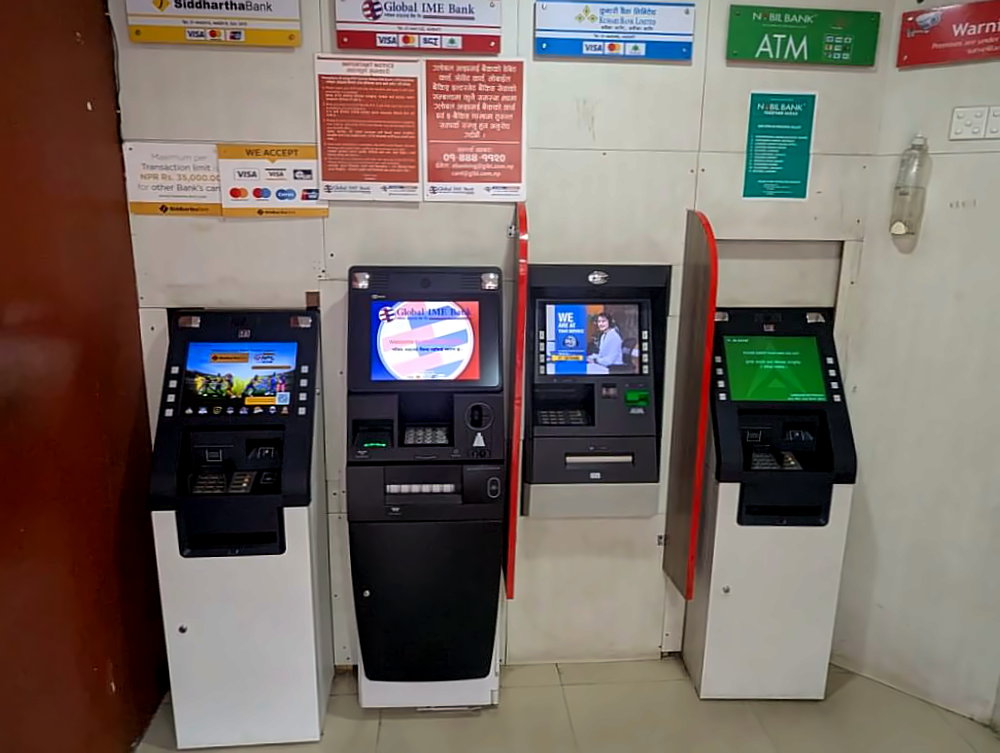
ATMs are easy to find around Lakeside, especially along the main Baidam Road. Most machines accept international credit cards but all of them charge additional fees – typically around 500 NPR per withdrawal. Your own bank may add additional fees on top.
Tip: Withdraw larger amounts at once to minimize fees. Personally, I use a travel credit card that doesn’t charge for foreign ATMs, which saves you a surprising amount of money over time, especially in countries like Nepal where you’ll rely on cash quite a bit.
- ✔Easily apply online
- ✔No annual fees
- ✔No fees for foreign transactions
Best time to visit Pokhara
The first time I visited Pokhara was right after completing the Annapurna Circuit at the end of April, in spring. It was very warm – almost like in Thailand – quite humid and visibility was fairly limited, so I didn’t stay long and headed straight on to Chitwan National Park.
On my most recent trip, I spent time in and around Pokhara from late September through mid-December. November and December are hands down the best months to visit if you’re hoping for clear mountain views. The backdrop of the snow-covered Annapurna range is absolutely stunning – this is something you really have to experience in autumn.
FAQ and other questions
To wrap things up, here are a few common questions that often come up among travelers to Nepal:
How many days should I plan for Pokhara?
Three days are enough to cover the main highlights. That said, I’d recommend staying at least 4–5 days so you have time to explore some of the beautiful spots in the surrounding area at a relaxed pace.
Is Pokhara safe for travelers?
Yes, Pokhara is very safe. The chances of anything happening are extremely low. As anywhere, you should still keep an eye on your valuables and stay aware at night.
What’s the best way to get from Kathmandu to Pokhara?
The most common option is the tourist bus (around 8–10 hours). Alternatively, you can fly (about 30 minutes) or travel by private car. The bus is the simplest option.
Which area should I stay in?
Most travelers stay in Lakeside - it’s where you’ll find restaurants, cafés, shops and the best tourist infrastructure. Plus, it’s right by the lake.
Can I buy trekking gear in Pokhara?
Yes, there are plenty of shops in Lakeside where you can buy or rent gear - often much cheaper than in Europe. However, quality can be hit or miss and many branded items are knock-offs.
Do I need a permit or guide for hiking and trekking around Pokhara?
No, you don’t need a guide or permit for day hikes around Pokhara. For longer trekking routes, a permit is required, but a guide is not mandatory. More details in the full guide.
What activities are worth doing besides trekking?
Popular options include paragliding, boating on Phewa Lake, yoga, mountain biking - or simply relaxing and enjoying the incredible mountain views. Pokhara is perfect for that.
Is Pokhara worth visiting even without trekking?
Absolutely. The laid-back atmosphere, mild climate, lakeside setting and views of the Annapurna range make Pokhara a highlight even if you don’t go hiking.
Final thoughts
The fact that I spent over two months in and around Pokhara on my last trip to Nepal pretty much says it all – I genuinely loved the place. Kathmandu may offer more in terms of culture but Pokhara’s blend of stunning nature, laid-back atmosphere, and endless hiking and trekking opportunities is hard to beat.
So my advice is: take it slow and give yourself at least a few days in Pokhara. Even one or two weeks will pass in no time and once you`ve settled into the rhythm of the place you might find it hard to leave. As for me, I’m pretty certain this won’t be my last time in Pokhara.
Did you enjoy reading this article? Then consider treating me to a virtual coffee.

Without coffee I can’t get out of the bed in the morning to experience new adventures 🙂
Disclaimer: This article contains affiliate links marked with an asterisk * that lead to online retailers such as Amazon. If you click on such a link and buy something, I will receive a small share that helps finance this blog. This is the best way for you to say thank you if you liked the post. Of course, there are no additional costs for you.
Do you have any questions about Pokhara? Any sights or places missing in the article? Let me know in the comments – I`m looking forward to hearing from you!